TL;DR
Japan is sequential. Right order = smooth first week. Wrong order = days wasted fixing problems that didn't need to exist. This japan arrival checklist 2026 works whether you're coming on a tourist visa-waiver or the DN visa. Prep before you fly, nail the airport sequence, then knock out setup in your first seven days.
Note
Pre-Flight: What You Can't Fix at Narita
Most of this you can't fix once you land. Do it now or regret it at Narita with no data and no cash.
Visa: figure out which door you're walking through. Citizens of 74 countries get visa-free entry as tourists (90 days for most; 15-30 days for some nationalities). If you're working remotely for a non-Japanese employer and earn ¥10M+ annually, the Digital Nomad Visa gets you up to 6 months. Most people reading this will enter visa-free. A Certificate of Eligibility (COE) is optional but recommended for DN visa applications, as it speeds up processing. It takes 1-3 months to obtain, so start early if that's your route.
Get an eSIM before boarding. Ubigi, Airalo, or Mobal all work. Activate it in the airport after landing. Physical SIM kiosks exist at Narita and Haneda, but the line at 6pm with 300 other arrivals isn't fun. eSIM skips that entirely.
Download these four apps:
- LINE: messaging (Japan's WhatsApp, except everyone actually uses it)
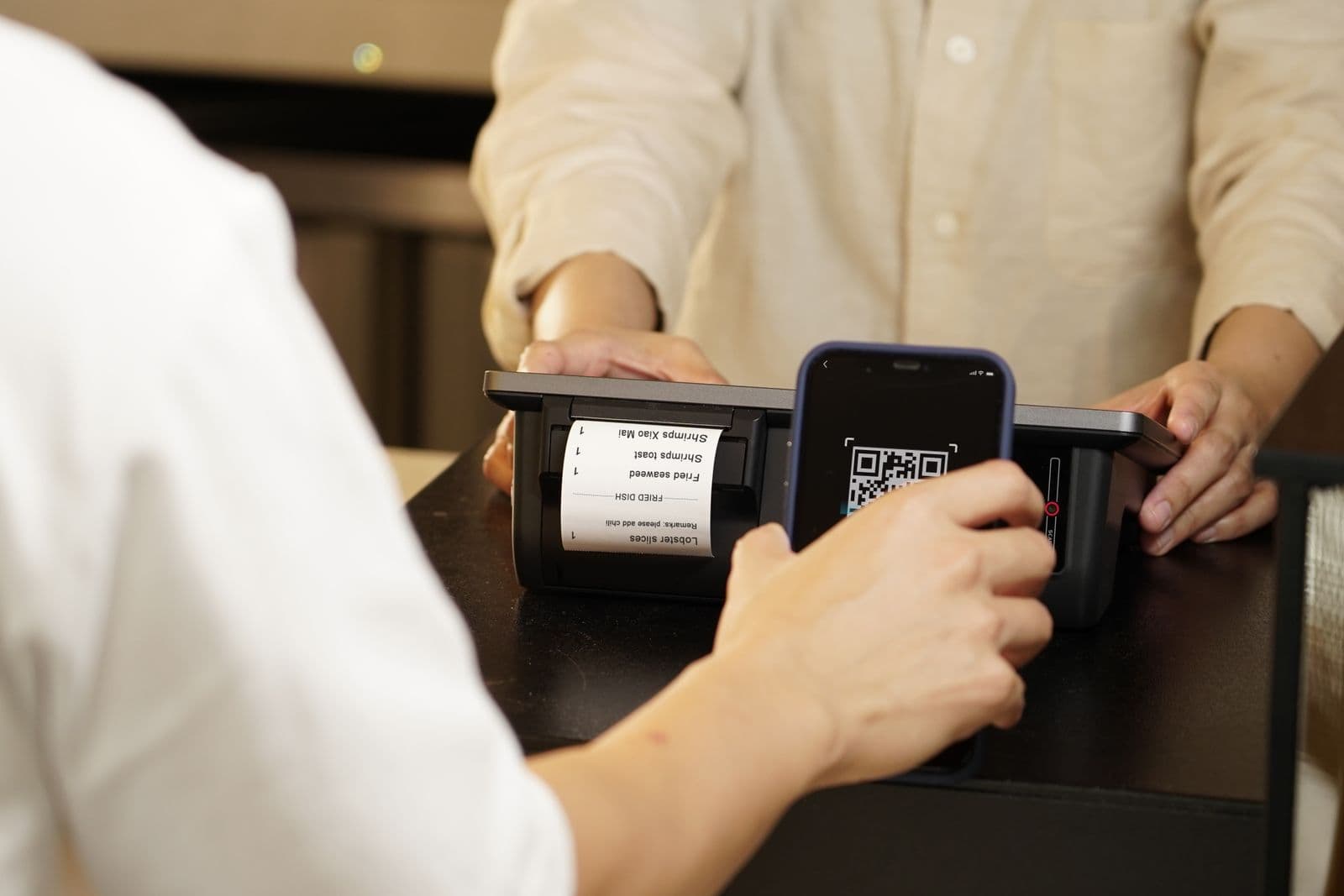
- PayPay: QR payments at restaurants, konbini, vending machines
- Navitime or Google Maps: train navigation (Navitime handles transfers better)
- Tabelog: restaurant reviews (the real ones, not tourist traps)
Medication letter. Bringing prescription meds? Carry a doctor's letter in English listing each medication, dosage, and generic name. Some common drugs (pseudoephedrine, certain ADHD meds) are controlled in Japan. Check the MHLW import rules for pharmaceuticals before packing.
Pack your document folder. Passport (6+ months validity), visa approval if applicable, accommodation confirmation with address in Japanese, travel insurance proof, 2 passport photos. Print the accommodation address in Japanese characters. Taxi drivers and station staff may not read romaji.
Book accommodation for 1-2 weeks, not longer. Neighborhoods feel different in person. Shinjuku is loud. Shimokitazawa is walkable. Koenji is cheap and weird. Don't lock into a 3-month lease sight unseen.
Budget your airport transfer. Narita to central Tokyo: NEX train (¥3,250, ~60 min), Skyliner to Ueno (¥2,520, ~41 min), limousine bus (¥3,200). Haneda is closer: monorail (¥500, ~15 min) or Keikyu line (¥300, ~20 min). Taxis from Narita run ¥19,000-27,000. From Haneda, ¥6,000-11,000.
Tip
Day 1: Airport
You landed. Here's the sequence.
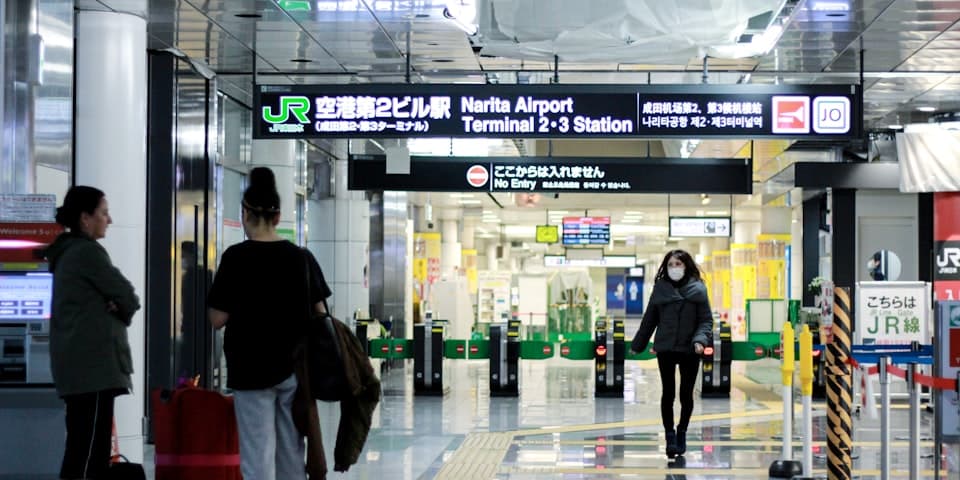
Immigration. Have your passport, return/onward ticket info, and accommodation address ready. For visa-free entry, you'll get a 90-day stamp. DN visa holders show their visa (and COE if applicable). The line moves faster than you expect (Japan is efficient like that).
Activate your eSIM. Connect to the free airport WiFi first, then activate. If you bought a physical SIM, grab it from the kiosk in the arrivals hall. Test it before leaving the airport. Sending one LINE message confirms everything works.
Get a Suica. Three options, and the right one depends on your phone and how long you're staying.
| Option | Best For | Validity | Top-Up | Key Limitation |
|---|---|---|---|---|
| Welcome Suica (physical card) | Short trips, no iPhone | 28 days from purchase | Cash only (konbini or station machines) | Non-refundable balance at expiry |
| Apple Wallet Suica | Most visitors with iPhone 8+ | 10 years from last use | Foreign credit card (Mastercard/Amex recommended, Visa unreliable) | Some non-Japan Apple IDs may not work; refund requires JP bank account (¥220 fee) |
| Welcome Suica Mobile app | Tourists wanting English + longer stay | 180 days | Foreign credit card via Apple Pay | Non-refundable balance at expiry |
| Mobile Suica app (モバイルSuica) | Residents needing commuter passes | 10 years from last use | Credit card (JP cards most reliable) | Japanese-only interface; requires Japan App Store |
The move for most visitors: Apple Wallet Suica. Set it up before you land: add a Suica directly in your iPhone Wallet app, load ¥3,000 with a Mastercard or Amex, and you're tapping through gates at Narita before the jetlag hits. No physical card to lose, no 28-day expiry. Works on trains, buses, konbini, vending machines, coin lockers.
If you don't have an iPhone 8+: Grab a Welcome Suica from the JR East machines at the airport. No deposit (unlike regular Suica), but it dies after 28 days and leftover balance is gone. Spend it down before you leave.
If you're staying 3+ months and need a commuter pass (定期券): You'll eventually want the Mobile Suica app. It's Japanese-only and requires switching your App Store region to Japan to download. Some foreign cards work for basic top-up, but the interface takes patience. The commuter pass feature alone makes it worth the hassle for long-term residents.
Tip
Apple Wallet Suica goes dormant after 6 months of non-use. Coming back to Japan after a break? Top it up or ask station staff to reactivate. Your balance is still there. The card just fell asleep.
Withdraw cash. 7-Eleven ATMs accept most international cards. Pull ¥30,000-50,000. Japan is more cashless than it used to be, but plenty of small restaurants, shrines, and local spots are cash-only. The 7-Eleven in the airport arrivals area has ATMs that display English.
Get to your accommodation. Train is cheapest, airport bus is easiest with luggage. Check the transport costs above and pick what fits. If arriving after 11pm, the last trains are gone and you're looking at a taxi or an airport hotel.
First Week: The Setup That Matters
This week decides whether the next 1-6 months run smoothly.
Days 1-2: Get your bearings.
☐ Test WiFi speed at your place (25+ Mbps minimum for video calls) ☐ Walk to your nearest konbini, supermarket, and train station ☐ Get your garbage collection schedule from the building notice board or landlord
That last one isn't optional. Japan takes garbage separation seriously. Wrong bag on the wrong day and your neighbors will know.
🗑️ Japan Garbage Separation Guide: categories, ward-specific rules, and how to avoid becoming the building's problem tenant.
Days 2-3: Admin (if staying 90+ days on a residence-eligible visa).
☐ Visit your ward office (区役所, kuyakusho) for resident registration (住民届, jumintodoke). Requires a Residence Card (在留カード), so this applies to work visas, student visas, etc. ☐ Enroll in National Health Insurance (NHI) if eligible based on your visa type ☐ Pick up the English garbage guide while you're there
DN visa holders and short-term tourists: skip the ward office. The DN visa (特定活動・デジタルノマド) does not come with a Residence Card, so you cannot do ward registration or enroll in NHI. You rely on your private medical insurance instead.
Admin done, or skipped. Either way, by day three you're ready to focus on work.
Days 3-5: Work mode.
☐ Test a coworking space. Buy a day pass at WeWork, Regus, or a local spot. Check WiFi speed and outlet availability before committing to a monthly plan ☐ Set up PayPay. Link your international card and test it at a konbini. Once it works, you'll use it everywhere ☐ Nail your commute. Run the route once during rush hour so you know what you're in for
🏪 Japan Konbini Survival Guide: the convenience store is your kitchen, bank, post office, and printer. Learn it early.
Days 5-7: Safety and community.
☐ Download disaster alert apps: Safety Tips (multilingual government app) and Yahoo! Bosai ☐ Locate your nearest evacuation point (避難場所, hinanbasho). Your ward office has maps. ☐ Attend a meetup, coworking event, or language exchange. Tokyo Meetup groups are active. Osaka has a smaller but friendlier scene.
🌏 Japan Earthquake Preparedness Guide: alert apps, evacuation routes, emergency kit list. Don't put this off.
FAQ
Do I need the Digital Nomad Visa to work remotely in Japan?
Not necessarily. The DN visa (up to 6 months, requires ¥10M annual income) is designed for remote workers, but many people work remotely on tourist visa-free entry. Technically, tourist status doesn't authorize work, even remote work for a foreign employer. Enforcement is minimal for short stays, but it's a gray area. This isn't legal advice. If you're staying longer than 90 days or want full compliance, the DN visa is the clean option.
How much cash should I bring for the first week?
¥30,000-50,000 covers most situations. PayPay and credit cards work at chain restaurants, konbini, and department stores. Cash is still king at small ramen shops, izakayas, temples, and street vendors. You won't run out of ATMs (7-Eleven is everywhere), so don't overthink it.
Is Japan expensive for digital nomads?
Tokyo is comparable to mid-tier European cities. A shared apartment runs ¥80,000-120,000/month, coworking ¥15,000-30,000/month, meals ¥500-1,200 each. Osaka and Fukuoka are 20-30% cheaper. The real savings come from konbini meals and the fact that tipping doesn't exist.