TL;DR
Japan has over 55,000 convenience stores (konbini, コンビニ), and they do far more than snacks. Foreign-card ATMs, document printers, luggage shipping, IC card recharges, and meals under ¥800. If you're spending more than a week here, your nearest konbini handles more than you'd expect. This guide covers what actually matters.
The Big Three: When Each One Wins
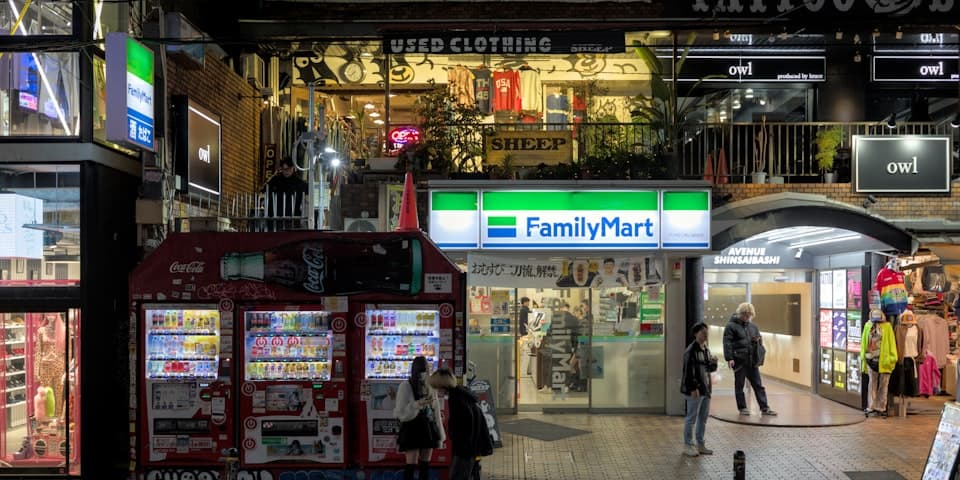
Not all konbini are the same. Three chains own the market, each with a distinct strength.
| Chain | Best For | Foreign-Card ATM | Store Count |
|---|---|---|---|
| 7-Eleven | ATMs, density, reliability | ✅ ¥110–220 fee | ~26,000 |
| FamilyMart | Quiet spots, cosmetics | ✅ ¥110–220 fee | 16,000+ |
| Lawson | Food, Uchi Café coffee | ✅ ¥110–220 fee | 14,000+ |
7-Eleven is the safe default. Widest network, every train station, fastest ATMs. If you only remember one chain, this is it.
FamilyMart tends to be quieter, especially in residential neighborhoods. Better cosmetics shelf. Fewer tourists bumping into you at the counter.
Lawson wins on food. Their Uchi Café coffee runs ¥110–150. (That's a third of Starbucks pricing, and honestly? It's better.) Premium onigiri here are worth the extra ¥30.
All three accept foreign cards at their ATMs. The choice comes down to what you need right now.
Cash and ATMs: One Withdrawal Per Week
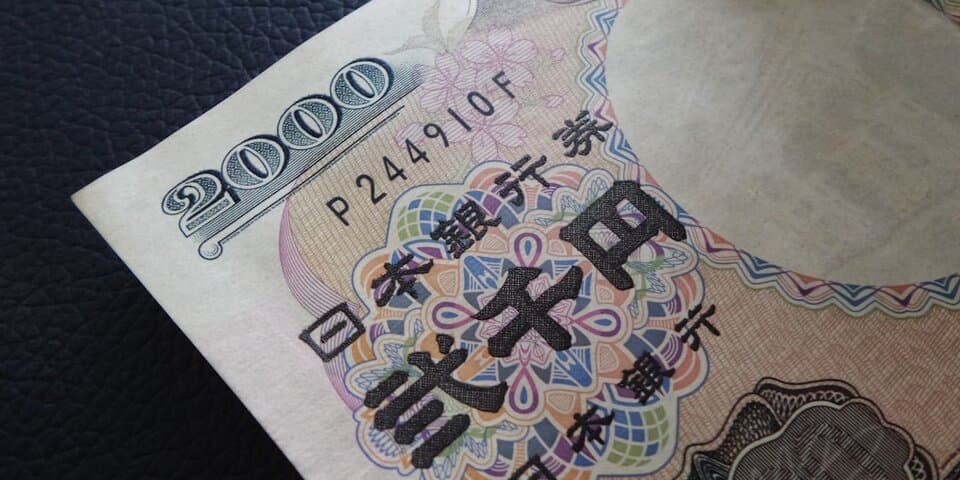
Japan still runs on cash more than most foreigners expect. Konbini ATMs are the easiest way to get yen with a foreign card.
The fee structure is straightforward: ¥110 during daytime (roughly 7AM–7PM) and ¥220 off-hours. All three chains charge similarly.
Heads up
When the ATM screen asks which currency to display, always pick JPY. Choosing your home currency triggers dynamic currency conversion, which gives you a worse exchange rate every time.
The weekly math. Withdraw ¥30,000 once a week and you pay about ¥880/month in fees. Withdraw ¥5,000 daily and that jumps to ¥5,720/month. One trip per week saves you roughly ¥4,840. (That's 40 onigiri.)
On exchange rates: A multi-currency card like Wise can get you closer to the mid-market rate than most traditional bank cards. Check their Japan ATM fee page for current details, as rates and fee caps change, so verify before you land. For a broader look at how Japan stacks up on daily costs, see our Seoul vs. Tokyo cost-of-living breakdown.
Nomad Work Tools Inside the Store
This is where konbini stop being "just a convenience store" and start being infrastructure.
Printers. Every 7-Eleven, FamilyMart, and Lawson has a multi-function printer. Download the Netprint app (7-Eleven) or PrintSmash (FamilyMart/Lawson), upload your file, get a code, walk in, print. ¥10–20 per page. Faster and cheaper than hunting for a print shop when you need a visa document printed at 11PM. (Visa paperwork is real: see the Japan Digital Nomad visa requirements if you're planning a longer stay.)
Takkyubin (宅急便) shipping. Drop a suitcase at any konbini counter, pay ¥1,500–3,000 depending on size and distance, and it arrives at your next destination in 1–3 days. This is how you travel across Japan with just a day pack. Seriously, it changes how you move.
IC card recharge. Top up your Suica or PASMO at the konbini register. Keeps you from standing at a station machine during rush hour, fumbling with coins while a line forms behind you.
Package pickup. Amazon Japan, Rakuten, and most online retailers let you ship to a konbini instead of your address. Useful when you're moving between cities or don't want to share your residence. Privacy and convenience in one.
Eating Well for ¥800 a Day
Konbini food in Japan is not gas-station food. The quality is genuinely good, portions are honest, and the price stays low.
Seasonal items (季節限定) rotate constantly. Winter means oden: hot pot items like boiled eggs, daikon, and fish cakes for ¥100–250 each. Summer brings kakigori (shaved ice). Spring is strawberry everything. Pay attention to the seasonal shelf. It's the best value in the store.
Around 8–11PM, many konbini mark down food approaching its expiration window: 10–50% off bento boxes, sandwiches, pastries. The food is fine; it's just close to the sell-by timestamp. Not every store does this, but when you find one that discounts, remember it. A tuna onigiri (¥180–200), salad pack (¥300–400), and a drink (¥150–200) already gets you lunch for ¥750–850 at full price. Catch the discount shelf and you're eating well for under ¥600.
Coffee math. Lawson Uchi Café or 7-Eleven's machine coffee: ¥110–150. Starbucks: ¥400+. The konbini version is good. If you're buying coffee daily, that's a ¥250/day difference (roughly ¥7,500/month). Buy the konbini coffee.
Tip
Try the private-label lines: 7-Eleven's "Seven Premium" and FamilyMart's "FamilyMart Collection." Higher quality than name brands, lower price. Their yogurt and prepared meals are especially solid.
FAQ
-
Can I use my foreign credit card to pay at konbini registers? Visa and Mastercard are increasingly accepted at registers in major cities. But outside Tokyo and Osaka, it's inconsistent. Keep cash on hand. The ATM inside the same store solves this: withdraw yen, pay cash, done.
-
Do konbini have free WiFi? Yes, but it's slow (~1 Mbps) and sessions cap at 30–60 minutes. Treat it as emergency backup, not a workspace. For real work, find a coworking space or a café with better connectivity.
-
What if the ATM rejects my foreign card? Try a different machine; it's usually a temporary glitch, not a permanent block. 7-Eleven ATMs have the highest acceptance rate for foreign cards. If multiple ATMs reject you, your bank may have flagged the transaction. Call them.
Japan's konbini are one of those things that sound boring until you use them daily. Then you wonder how every other country gets by without them.
Related reads:
- Japan Digital Nomad Ultimate Guide — the full picture on living and working in Japan
- Japan Arrival Checklist 2026 — what to sort out in your first week
- Japan Housing Guide for Digital Nomads — finding a place to stay beyond hotels