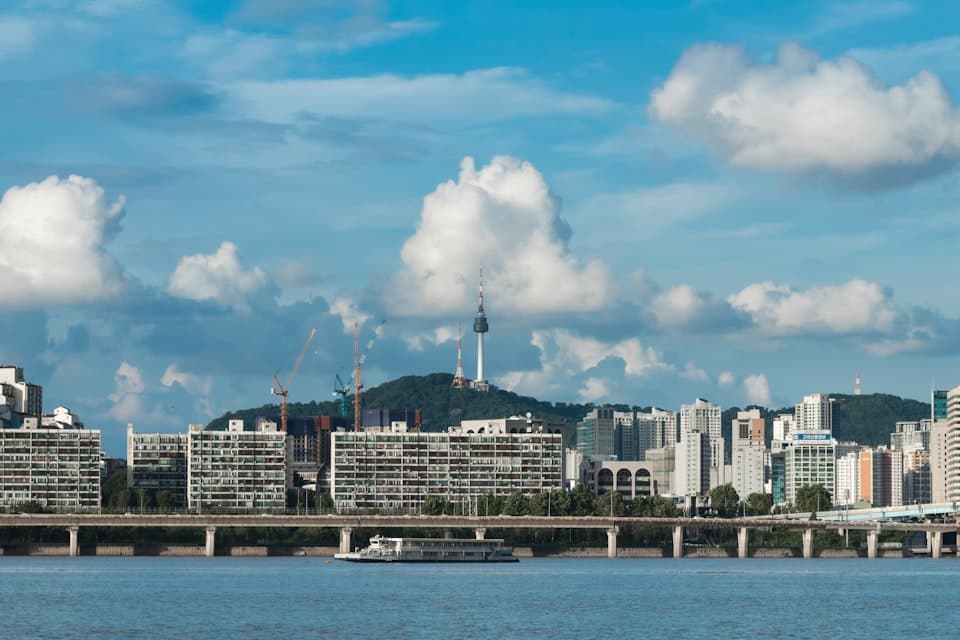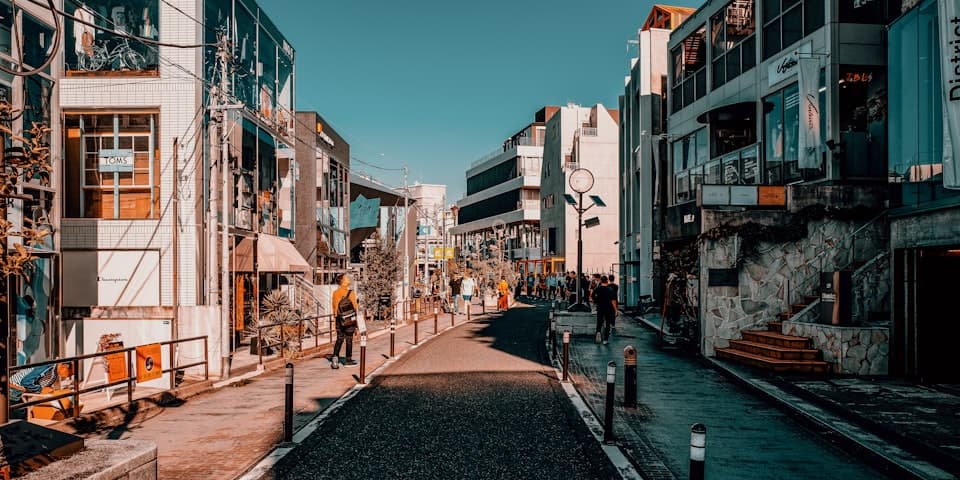
TL;DR
Japan's 6-month DN visa costs zero income tax on overseas earnings, but requires ¥10M annual income. If you earn less, the tourist visa gives you 90 days. Tokyo runs $960–$2,135/month depending on how you live. Internet is world-class, cash is still king at small restaurants, and your neighbors will judge you by your garbage sorting. This guide covers the practical stuff: visa, money, food, connectivity, transport, taxes, and the social rules nobody tells you until you break them.
Visa: DN Visa vs Tourist
Japan launched its Digital Nomad Visa in April 2024. Six months, non-renewable. The catch: you need ¥10M (~$67,000 USD) in annual income and health insurance with ¥10M minimum coverage. You get zero Japanese income tax on overseas earnings. No residence card, though, which limits banking and some services.
If your income falls below the threshold, the tourist visa gives 90 days (extendable to 180 for some nationalities). Plenty of remote workers use this route. Technically, working for a foreign employer on tourist status sits in a gray area. Enforcement is rare, but the DN visa removes that ambiguity entirely.
Quick comparison:
| DN Visa | Tourist | |
|---|---|---|
| Duration | 6 months | 90 days |
| Income req | ¥10M/year | None |
| Tax on overseas income | Zero | N/A (short stay) |
| Residence card | No | No |
| Renewable | No | No (but re-entry possible) |
For the full side-by-side breakdown, see our Japan visa comparison page.
First 72 Hours on the Ground
The first three days set the tone. Here's the order that matters.
At the airport (hour 0–2):
- Activate your eSIM or grab a tourist SIM at the terminal. IIJmio is cheapest (
¥2,000/30 days); Sakura Mobile has the best English support (¥3,500). - Suica: Best option is Apple Wallet Suica. Add it to your iPhone before landing, top up with Mastercard or Amex (Visa is unreliable). No physical card needed, no 28-day expiry. If no iPhone 8+, grab a Welcome Suica from the JR machines (28-day validity, cash top-up only, non-refundable balance). Works on trains, buses, konbini, vending machines.
- Tokyo: Keisei Skyliner to Ueno (~41 min, ¥2,520) or Narita Express to Tokyo Station (~53 min, ¥3,250). Osaka: Haruka Express (50 min, ¥3,640 standard / ¥2,330 with WEST QR tourist discount). Fukuoka: Subway from airport to Hakata: 5 minutes, ¥260. Yes, really.
Day 1:
- Download LINE (used by restaurants, landlords, and coworking spaces), PayPay (QR-code payments accepted almost everywhere), Google Maps, and Navitime (best local transit app).
- Find the nearest 7-Eleven. Its ATM accepts foreign Visa/Mastercard with low fees (¥110-220 per withdrawal), 24/7. Withdraw ¥20,000 cash. You will need it.
Day 2–3:
- If you're on the DN visa and staying 3+ months, register your address at the local ward office (区役所, kuyakusho) within 14 days. Bring your passport and proof of address. Note: DN visa holders do not receive a residence card and cannot complete formal resident registration (juminhyo). This requirement applies to work visa holders with residence cards.
- Scout your neighborhood for supermarkets (evening discount stickers appear 5–8 PM), laundromats, and a reliable cafe with outlets.
For a full step-by-step timeline starting 3 months before departure, see the Japan Arrival Checklist.
Pick Your City
Three cities. Three price points. Three personalities.
Tokyo: The Full Stack
Non-stop energy, 13.9 million people, and more coworking spaces than you can visit in a year. IWG ranked it the world's best workation city in 2025. The downside: it costs more and the apartment search is brutal without a guarantor.
- Shibuya: Startup hub, networking central. ¥200K–290K/month rent.
- Shimokitazawa: Creative, walkable, younger crowd. ¥80K–110K.
- Nakano: Budget-friendly, strong local culture. ¥75K–100K.
Monthly cost: ¥144,000–320,000 ($960–$2,135) depending on lifestyle.
(Housing hack: UR Housing apartments require no key money, no guarantor, no agent fee: just 2 months deposit plus rent. Share houses through GaijinPad or Oak House run ¥35,000–60,000/month, utilities included.)
Osaka: 20% Cheaper, 200% Friendlier
After Tokyo's intensity, Osaka feels like exhaling. Locals will actually talk to you on the street. The food is better (fight me, Tokyo). Rent runs 15–25% below Tokyo, and the emerging DN community centers around Nakazakicho and Namba.
- Nakazakicho: Expat-friendly, long-term oriented. ¥70K–90K.
- Namba: Walkable, endless food options. ¥65K–85K.
Monthly cost: ¥126,000–244,000 ($840–$1,630).
Fukuoka: Best Value in Japan
The city government actively recruits remote workers. Subway from the airport takes 5 minutes. Rent is 30–50% below Tokyo. The food scene punches well above its weight, especially for ramen and fresh seafood.
- Tenjin: Modern, central, WeWork access. ¥55K–75K.
- Hakata: Authentic, food-centric. ¥50K–70K.
Monthly cost: ¥110,000–215,500 ($735–$1,440).
For neighborhood deep-dives with coworking recommendations, see the Japan neighborhood guide.
Money, Payments, Cash Trap
Japan's cashless adoption is growing fast. PayPay QR codes work at most stores, and Suica/PASMO IC cards handle transit and konbini purchases. Credit cards are accepted at chains and larger shops.
But small restaurants, temples, markets, and most nightlife spots are cash-only. This catches people off guard.
The setup: Withdraw cash at any 7-Eleven ATM (foreign Visa/Mastercard, low fees ¥110-220 per withdrawal, 24/7). Carry ¥10,000–20,000 at all times. Set up PayPay on your phone within the first week (it needs a Japanese phone number, which your SIM card provides).
For international transfers, Wise gives mid-market exchange rates at 0.4–0.6% fees. PayPal works but charges 2–4%. Bank-to-bank wire transfers cost ¥1,500–3,000 per transaction, only worth it for amounts above $5K.
DN visa holders can't open most Japanese bank accounts (no residence card). Japan Post Bank is the exception if you need one, but most nomads skip local accounts entirely and run everything through Wise.
Internet That Actually Works
Japan's internet infrastructure is absurd. Residential fiber runs at 1–10 Gbps (theoretical), with real-world speeds of 100–300 Mbps. NTT East is launching 25 Gbps fiber in Tokyo on March 31, 2026, at ¥27,500/month (overkill for remote work, but it exists).
For the first weeks: Rent a pocket WiFi at the airport (¥2,000–3,500/month, 50–100 Mbps). Return it when you leave or when your home fiber gets installed.
Cafe work: Doutor Coffee is the best chain for remote work, with free WiFi, outlets, and private-ish booths. Tully's is the underrated alternative (quieter, dimmer, less crowded). Starbucks has WiFi but intentionally omits power outlets at most locations.
(Backup option nobody talks about: manga cafes. Private booth, WiFi, power, free drinks, ¥600–1,200 per hour. Perfect for an afternoon grind session.)
Mobile: 4G coverage blankets the country, even small towns. Typical speeds: 50–150 Mbps. 5G is rolling out in major cities at 500+ Mbps.
Eating Well Without Going Broke
Japan's food is cheap if you know where to look. The konbini (convenience store) is your financial anchor.
Konbini staples: Onigiri ¥150–200. Bento box ¥500–800. Fried chicken (karaage) ¥150–300. That's a full meal for ¥500–1,000. There are over 55,000 konbini across Japan. You're never more than a few blocks from one.
Restaurant budget: Ramen ¥600–1,000. Gyudon (beef bowl) ¥600–900. Lunch sets at mid-range restaurants ¥1,000–1,500. A proper dinner runs ¥1,500–3,000 per person before drinks.
The supermarket move: Show up between 5–8 PM and look for discount stickers. Staff mark down sushi, sashimi, bento, and prepared meals by 20–50% before closing. The kanji you want: 半額 (hangaku, meaning half-price). Find your local store's sticker schedule and plan around it.
Monthly food budget: ¥30,000 if you cook almost everything. ¥40,000–50,000 for a realistic mix of cooking and eating out. ¥60,000+ if you eat out most meals.
For the full konbini strategy (ATM hacks, hidden services, and the best items at each chain), see the Konbini Survival Guide.
Healthcare and the NHI Trap
Japan's healthcare system is excellent. The trap is administrative.
DN visa holders are excluded from NHI (National Health Insurance, 国民健康保険). No Residence Card means no NHI enrollment. You must carry private international insurance with ¥10M minimum coverage for your entire stay.
Private insurance options: SafetyWing, World Nomads, or Allianz run ¥15,000–30,000/month ($100–200) for ¥10M+ coverage. This is mandatory, not optional. Immigration checks your policy at application.
For other visa types (work visas, student visas): NHI enrollment is required after 3+ months of residence. Cost: roughly ¥33,000–78,000/month depending on declared income and municipality. NHI covers 70% of medical costs. For a side-by-side comparison of healthcare access across East Asia, see health insurance for digital nomads: Korea vs Japan vs Taiwan.
Trains, Bikes, and Why You Don't Need a Car
Your Suica (physical or Apple Wallet) covers 99% of Japan's transit: trains, buses, some taxis, konbini, vending machines. If you're staying 3+ months and want a commuter pass, you'll need the Mobile Suica app (Japanese-only, Japan App Store required). See the arrival checklist for a full Suica comparison table.
Tokyo Metro: 13 subway lines plus 4 railway lines. Single ride ¥170–320. Get Navitime for route planning. Avoid rush hour (8–9 AM, 5–7 PM) unless you enjoy being pressed into a human sardine can.
Shinkansen (bullet trains): Tokyo → Osaka in 2 hours 15 minutes (~¥14,000). Use the Smart EX app for 10–15% savings over station prices.
Budget hack: The Seishun 18 Kippu gives unlimited local JR trains for ¥10,000 (3 consecutive days) or ¥12,050 (5 consecutive days), available three times a year (Dec–Jan, Mar–Apr, Jul–Aug). Days must be consecutive and you pick your start date at purchase. Slower than Shinkansen, but the savings are real.
Domestic flights: Budget carriers Peach and Jetstar run ¥3,000–8,000 routes between major cities.
Cycling: Great in Osaka (flat, good lanes) and Fukuoka. Not great in Tokyo (hilly, chaotic).
Taxes: DN Visa Advantage
Note
This section covers general tax information. It is not tax advice, and tax laws change frequently. Consult a licensed tax professional for your specific situation.
The DN visa's biggest perk is structural: your 6-month stay falls under the 183-day threshold. Under Japan's tax code, a "non-resident" (someone present fewer than 183 days in a calendar year) owes zero Japanese income tax on overseas-sourced income.
Earn from a foreign employer, spend in Japan, pay no Japanese income tax. That's the deal. For the full breakdown (including the 183-day myth, consumption tax, and home-country obligations), see our Japan digital nomad visa tax guide. Planning to leave? The Leaving Japan money checklist covers pension refunds, resident tax traps, and bank closures.
But your home country still wants its cut. US citizens owe worldwide tax regardless of where they live. EU residents face different rules by country. Australia, Canada, and the UK each have their own residency tests. Check your country's tax treaty with Japan before assuming anything.
Don't Be That Neighbor
Japan's social contract runs on unwritten rules. Break them and your landlord hears about it, sometimes within days.
Garbage: This is the big one. Every ward has different sorting rules, different bag colors, different collection days. Mess it up and your trash bag gets a rejection sticker. Keep messing up and your building manager gets a complaint. Visit the ward office in your first week and ask for the English garbage guide. Follow it exactly.
For the full breakdown of sorting categories, pickup schedules, and the mistakes that actually get you reported, see the Garbage Separation Guide.
Noise: Keep music low after 8 PM. No vacuuming on weekend mornings. Close doors gently. Japanese apartments have thin walls, and your neighbors will not confront you directly. They'll complain to your landlord.
Trains: No phone calls. No eating (except in designated areas on long-distance trains). Queue in marked lines on the platform. These aren't suggestions.
Shoes: Off at the door. Always. Homes, temples, some restaurants, some shops. When in doubt, look for a shoe shelf near the entrance.
The shortcut to all of this: Watch what your neighbors do for the first week. Then do exactly that.
The Foreigner Networks That Actually Matter
The DN community in Japan is real and growing.
Tokyo: Digital Nomad Tokyo meets twice monthly at S-TOKYO in Shibuya (¥1,000 entry, includes one drink). The DN Tokyo Community runs casual weekend events: hidden gem walks, group coworking sessions, retreats. Both are worth checking before you land. Reddit's r/TokyoNomads and r/JapanLife are active for questions.
Osaka: Smaller community, centered around The DECK coworking space. Regular meetups via Meetup.com. Growing fast.
Fukuoka: WeWork Tenjin (opened August 2025) hosts networking events. Fukuoka Growth Next runs community programming. The city government itself promotes the scene.
National: TADAIMA Japan organizes workation retreats in Shimoda, Hakuba, Okinawa, and the Goto Islands, mixing work with adventure trips.
Join communities before you arrive. Roommate leads, coworking tips, and "which ward office is least painful" advice are worth having on day one.
When to Come
Best months: March–May (cherry blossom season, mild weather, ideal for outdoor cafes) and September–November (fall foliage, cool and crisp, fewer tourists than spring).
Fine months: December–February. Cold and dry, but cheap rates and clear skies. Bring layers. Most apartments rely on AC heat mode or kerosene heaters, not central heating.
Avoid: June–July is rainy season (tsuyu). Hot, humid, and productivity drops. August–September brings typhoons. Flights and trains get disrupted, especially if you're heading south.
Earthquake note: Japan gets 200+ earthquakes per year. Most are too small to feel. Modern buildings are seismically engineered, and the early warning system is world-class. Download the safety apps (Yahoo! Bosai, NHK World), keep an emergency kit at home, and know your building's evacuation route. For a deeper dive, see the Earthquake Preparedness Guide.
Resources
Official
- Immigration Services Agency (ISA): visa applications, status of residence
- Japan National Tourism Organization: travel planning