TL;DR
Taiwan is the easiest first landing in Asia. Your foreign Visa/Mastercard works almost everywhere. Grab an EasyCard at the airport for transit, konbini runs, and YouBike. Night markets are cash-only, so bring NT$500-1,000 in small bills. This taiwan arrival checklist 2026 covers pre-flight prep through your first week in Taipei, whether you're on visa-free entry, the DN Visa, or a Gold Card.
Note
Before You Board
Most of this can't be fixed at Taoyuan with jet lag and no data. Do it now.
Visa: pick your door. Citizens of 65+ countries get 90-day visa-free entry (BOCA visa-exempt list). Planning to stay longer or work remotely? The Digital Nomad Visa covers up to 2 years (6-month visa, extendable) — income thresholds and requirements at BOCA. The Gold Card is Taiwan's talent visa. Multi-agency review, so start 3-4 months early. Most first-timers enter visa-free and figure out their long-term path on the ground.
Note
Get an eSIM before boarding. Klook, KKday, or Airalo all sell Taiwan eSIMs. Activate after landing. Physical SIM counters exist at Taoyuan (Chunghwa Telecom in arrivals), but the line after a full flight isn't ideal. eSIM skips that.
Download these apps:
- LINE: Taiwan's universal messenger. Your landlord, coworkers, the boba shop loyalty program, all on LINE
- Google Maps: works well for transit routing in Taipei
- Uber: reliable in Taiwan, often cheaper than hailing taxis
- Google Translate: camera mode reads Chinese menus and signs
Documents folder (digital + printed):
- Passport (6+ months validity)
- Visa approval or return flight proof (for visa-free)
- Health insurance documents
- Accommodation confirmation
- 2 passport photos (just in case)
Cash: Withdraw or exchange NT$10,000-15,000 (~$310-470 USD) before departure or at the airport. Foreign credit cards work at most stores and restaurants, but night markets, small local shops, and some transit kiosks are cash-only.
Day 1: Taoyuan Airport to Taipei
You just landed. Here's the sequence.
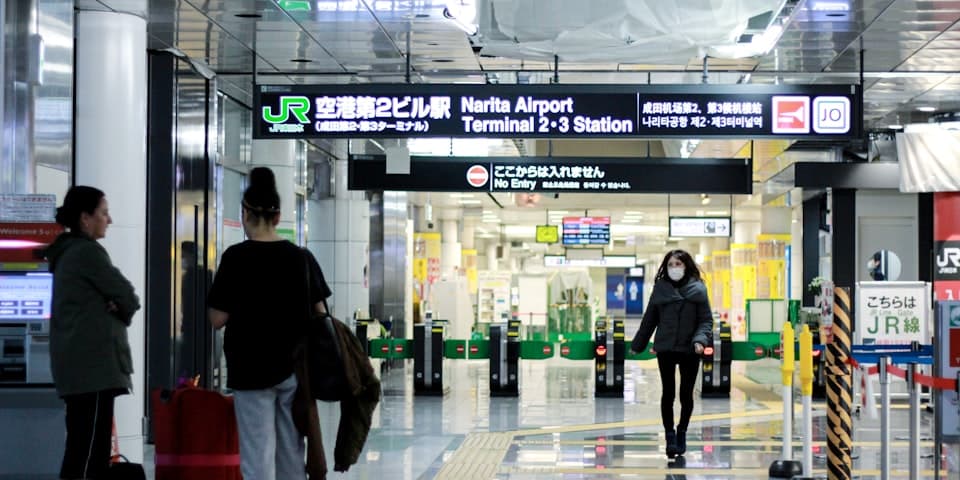
Immigration. Have your passport, visa documents (or return ticket for visa-free), and accommodation address ready. Lines move fast. Taiwan immigration is efficient. Usually 20-30 minutes even at peak times.
SIM card. Chunghwa Telecom counter in the arrivals hall. A 30-day unlimited 4G SIM runs NT$1,000-1,600 (~$31-50). Or just activate your pre-purchased eSIM. Either way, get data before you leave the airport.
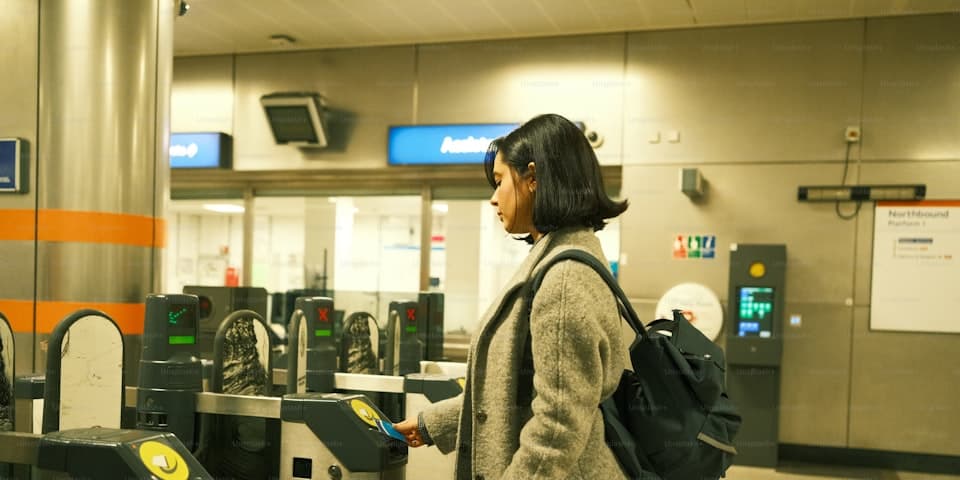
EasyCard (悠遊卡). Buy one at the airport MRT station or any 7-Eleven. NT$500 package gets you the card (NT$100 non-refundable deposit) plus NT$400 loaded credit. This card runs your life in Taiwan: MRT, buses, YouBike, convenience stores, vending machines. Top it up at any konbini register.
Airport MRT to Taipei Main Station. NT$160, about 45 minutes. Trains run every 15 minutes, 6 AM to 11 PM. Your EasyCard works. Free WiFi on board.
Tip
First stop after check-in: the nearest 7-Eleven or FamilyMart. Water, snacks, phone top-up if needed. Taiwan's konbini density is absurd. There's probably one in your building.
First Week in Taipei
Not everything needs to happen on day one. Spread it out.
Days 1-2: Settle in.
- Test your WiFi speed (aim for 25+ Mbps for video calls; most Taipei rentals exceed this)
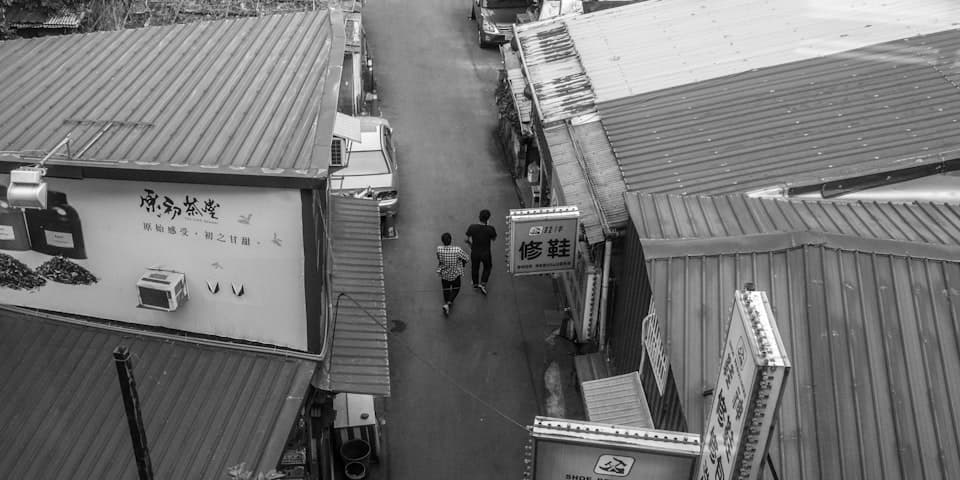
- Walk your neighborhood. Find the nearest MRT station, convenience store, pharmacy, and breakfast shop (早餐店, literally "breakfast shop," cheap, fast, everywhere)
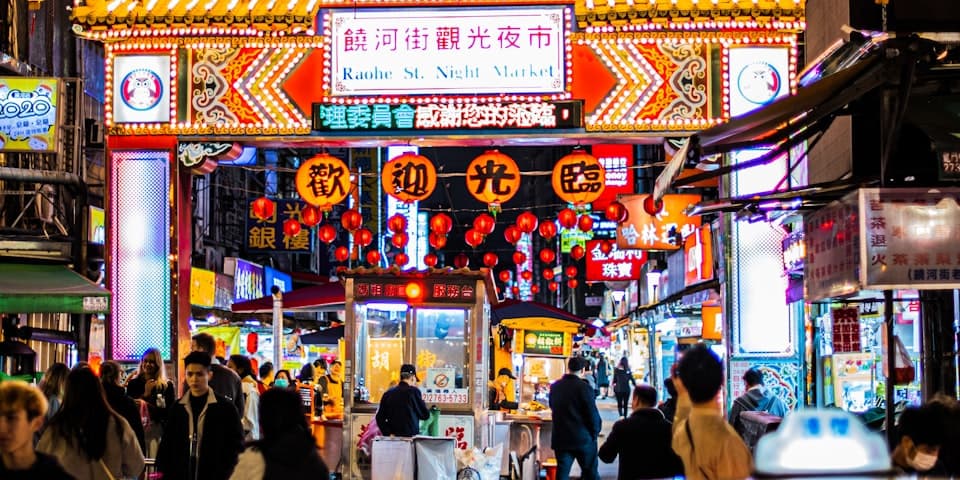
- Hit a night market for dinner. Raohe, Ningxia, or Shilin are the big ones. Bring cash. NT$500 covers a full meal plus snacks. See our Taiwan night market guide for what to order
Days 2-3: Go digital.
- Set up LINE and add your accommodation host
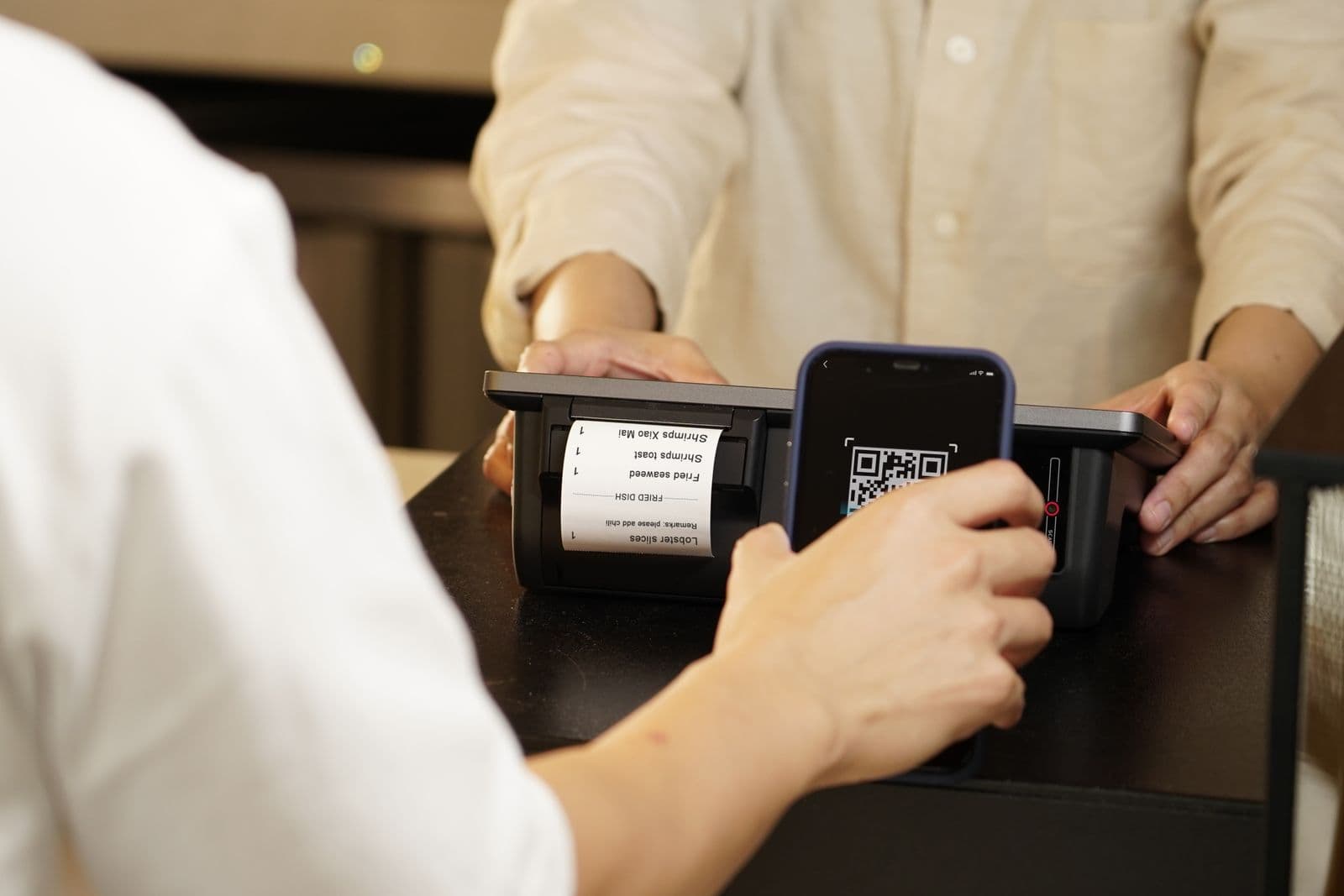
- Plug your foreign credit card into Apple Pay or Google Pay. Accepted at most chain stores, restaurants, and convenience stores
- Note: LINE Pay registration is limited for foreigners without a local bank account. Not a problem. Your foreign card covers most things
- Taiwan uses Type A/B plugs, same as the US. If you're coming from Europe, UK, or Australia, you need an adapter
Days 3-5: Admin (if staying long-term).
- Open a bank account if you have an ARC or residence visa. Cathay United and E.SUN Bank are foreigner-friendly. Bring passport + residence document
- Register at the local NIA service center (移民署服務站) if your visa type requires it
- Check NHI enrollment rules for your visa category (National Health Insurance, 全民健保)
Heads up
Days 5-7: Explore and connect.
- Walk your neighborhood thoroughly. Find your regular spots: the good 早餐店, the laundromat, the pharmacy that stocks what you need
- Attend a meetup or coworking event. Kafnu, Impact Hub, and CLBC all run community events
- If planning to stay longer, start apartment hunting on 591.com.tw, Taiwan's main rental platform. Interface is in Chinese; Google Translate's camera mode helps
- Download Pleco (best Chinese dictionary app) for daily vocabulary building
Payment: What Works Where
Taiwan is the most card-friendly country in East Asia for foreigners. But it's not 100%.
| Where | Foreign Visa/MC | EasyCard | Cash |
|---|---|---|---|
| MRT / buses / YouBike | No | Yes | No |
| 7-Eleven / FamilyMart | Yes | Yes | Yes |
| Restaurants (most) | Yes | No | Yes |
| Night markets | No | No | Yes |
| Uber | Yes (in-app) | No | No |
| Department stores | Yes | No | Yes |
| Small local shops | Sometimes | Sometimes | Yes |
Rule of thumb: carry NT$1,000-2,000 in small bills for night markets and small vendors. Use your foreign card everywhere else.
FAQ
-
Do I need to speak Chinese to get around Taipei? Not for daily survival. MRT signage is bilingual. Most convenience store staff handle basic English. Restaurant menus often have photos. But learning a few phrases (謝謝 = thank you, 多少錢 = how much?) goes a long way, and locals appreciate the effort.
-
Is Taiwan safe for solo travelers? Extremely. Taiwan consistently ranks among the safest countries in Asia. Late-night MRT rides, walking alone at 2 AM, leaving your laptop at a cafe table while you order. All normal here. Use common sense, but the baseline safety level is high.
-
What's the best neighborhood in Taipei for digital nomads? Depends on your priorities. Da'an (大安) is central with the most coworking options. Zhongshan (中山) and Songshan (松山) balance cafes and transit access. Ximen (西門) and Gongguan (公館) are budget-friendly and lively. Check out our Taiwan neighborhood guide for neighborhood breakdowns.
Taiwan's setup is genuinely straightforward compared to most of Asia. Phone, bank, and ID don't depend on each other here. Cash isn't mandatory, and the internet works without a VPN. Your foreign cards work, Google works, Uber works. The hardest part is leaving.