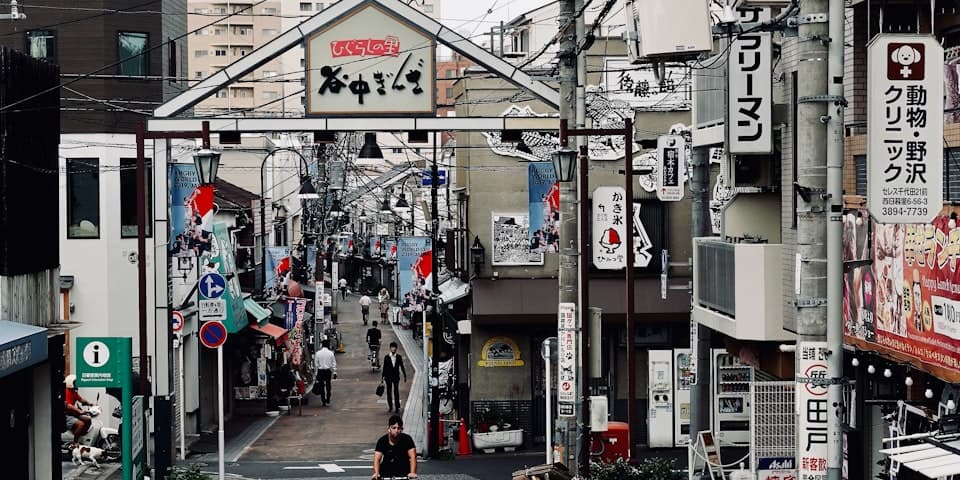
TL;DR
Quick Reference: Taiwan
Other visas: [Gold Card](/en/taiwan/visa/gold-card) · [Visitor](/en/taiwan/visa/visitor)
Taiwan is genuinely one of the world's best digital nomad destinations—not because of hype, but because of incredible food, reliable infrastructure, affordable healthcare, and a culture of hospitality. You'll find yourself wondering why it took you this long to arrive.
Visa Options
Digital Nomad Visa — Up to 2 years (directly issued since January 2026); $40K/year (30+) or $20K (20–29) income requirement.
Gold Card — Professionals (tech, finance, management); work authorization + NHI day one + tax benefits.
Visitor Visa — 60–90 days visa-free; work status gray area. See full guides for details.
Arriving in Taiwan
You'll arrive at either Taoyuan International Airport (northwest of Taipei, ~45 min by train) or Songshan Domestic Airport (central Taipei, walkable to hotels).
- [ ] Take the Airport MRT from Taoyuan to Taipei Main Station (~45 min, NT$160). From Songshan, you're already in the city.
- [ ] Buy an EasyCard at the airport MRT station or convenience store: NT$500 package (NT$100 card + NT$400 credit). This is your transit card for trains, buses, bikes, and convenience stores.
- [ ] Check into your accommodation and visit the nearest 7-Eleven or FamilyMart for essentials.
That's it for the airport. SIM cards, apps, banking, food, and healthcare setup are covered in the dedicated chapters below.
City Guides
Taiwan's not just Taipei. Each city has its own vibe, costs, and community.
TAIPEI: The Hub
Vibe: Young, energetic, 24-hour culture, world-class infrastructure. 90% of digital nomads base here.
Key Neighborhoods: Da'an ($600–900) — young, central, social · Zhongshan ($600–800) — foodie hub, walkable · Xinyi ($700–900) — modern, business · Datong ($500–700) — local, affordable · Gongguan ($550–750) — student vibe, cheap eats · Nangang ($450–650) — up-and-coming.
Monthly Budget Breakdown (Living in Central Taipei):
| Item | Budget | Mid-Range | Comfort |
|---|---|---|---|
| Rent (studio) | $500–700 | $700–900 | $900–1,200 |
| Food | $250–350 | $350–500 | $500–750 |
| Transportation | $40–60 | $60–100 | $100–150 |
| Coworking | $100–130 | $150–180 | $200+ |
| Internet/Phone | $40–60 | $50–70 | $70–100 |
| Utilities | $25–40 | $40–60 | $60+ |
| Entertainment | $100–150 | $150–250 | $250–500 |
| TOTAL | $1,055–1,590 | $1,545–2,060 | $2,180–3,300 |
Top Coworking Spaces:
FutureWard — NT$3,950–5,000+/month (USD $129–179+) Multiple locations · Best for community, workshops, flexible plans Day pass available: NT$500
Home Sweet Home — NT$5,200+/month (USD $186+) Main Station area · Best for professional teams No day pass
Makerbar — NT$3,600/month (USD $129) Central · Best for affordable option with active community
Impact Hub — Multiple options (day pass ~$7+) Taipei · Best for budget-friendly, community-focused work
Connect — Multiple options (day pass ~$20+) Central · Best for beautiful space, social atmosphere
Apartment hunting: Use 591.com.tw (gold standard) or Facebook groups for direct landlord contact. Budget NT$15,000–25,000 for a furnished studio. Cash deposits common (2–4 months) — always get a signed receipt.
Must-Do in Taipei:
- Shilin Night Market (biggest, most famous)
- Taipei 101 (observation deck at sunset)
- Tea ceremony or bubble tea (yes, really)
- Temple hopping (free, spiritual, beautiful)
- Danshui Old Street (riverside, sunset)
KAOHSIUNG: The Laid-Back Alternative
Vibe: Coastal, relaxed, sunnier, emerging startup scene. Budget: $630–1,000/month (30% cheaper than Taipei). Trade-off: smaller expat community, limited coworking. Good for beach access + slower pace.
TAICHUNG: The Middle Ground
Vibe: Central hub, modern, balanced affordability. Budget: ~$800–1,000/month. Growing startup culture; THSR to Taipei in 60 min.
TAINAN: The Historic Gem
Vibe: Taiwan's oldest city, ultra-local, incredible food. Budget: $600–900/month total. Most affordable; authentic temples and street culture. Trade-off: minimal English-speaking community.
HUALIEN: The Mountain Escape
Vibe: Mountainous, nature-focused, artistic. Budget: $550–800/month. Nature escape; tight-knit community. Trade-off: very remote, minimal coworking.
Digital Life: Staying Connected
Day 1 apps: Download LINE (essential messaging -- 94% of Taiwan uses it), Google Maps, Uber Eats, Foodpanda, and YouBike. Register your phone number for 2FA.
Taiwan punches above its weight in digital infrastructure. Internet is fast, uncensored, and everywhere.
Essential Apps You'll Actually Use
🗺️ Maps: Google Maps — Works perfectly with MRT (Mass Rapid Transit subway) integration
🍜 Food Delivery: Uber Eats, Foodpanda — Excellent coverage and fair pricing
🛒 Shopping: Shopee, PChome, Momo — Taiwan's online marketplaces (equivalent to Amazon); used daily
🚕 Taxi: LINE Taxi, Uber — Metered, safe, reliable taxi booking
💬 Messaging: LINE — Essential (Japan-based). Not optional. 94% of Taiwan uses it. This is how Taiwanese communicate, not WhatsApp.
🚲 Transit: Google Maps + YouBike app — For bikes everywhere
💳 Payment: LINE Pay, JKoPay, Apple Pay — Digital payments fully normalized
Critical: Get LINE set up on day one. LINE is the default messaging app in Taiwan (similar to how WhatsApp is used in Europe or WeChat in China). 94% of Taiwan's population uses it. Stores, restaurants, offices, friends—everyone expects you to have LINE for communication.
WiFi & Internet
Free WiFi:
- iTaiwan (government free WiFi): Available at MRT (Mass Rapid Transit) stations, parks, public buildings (nearly 10,000 hotspots nationwide)
- Most cafes: Come with coffee, stay all day working—this is normal behavior in Taiwan
- 7-Eleven/FamilyMart (convenience stores): Sit inside, work, nobody minds—locals do this daily
- Coworking spaces: Included in membership
- Hostels/Airbnbs: Usually provided
Home Internet:
- Provider: Chunghwa HiNet (largest provider), Taiwan Broadband
- Speed: 100 Mbps to 1 Gbps available (excellent for video conferencing and streaming)
- Cost: Variable pricing based on speed tier (check Chunghwa at www.cht.com.tw for current rates; typically NT$800–2,000/month)
- Installation: Usually included; 1–2 week setup
- Reliability: Excellent; network uptime 99%+ (rarely goes down)
Mobile Data:
- Average speeds: Mobile 81.93 Mbps (2024 data); fixed broadband median ~217 Mbps—comparable to Western countries
- Hotspots: Nearly 10,000 free government hotspots nationwide via iTaiwan
- No throttling: Unlimited truly means unlimited (no speed caps after data limit)
- No censorship/firewall: YouTube, Netflix, everything works normally. No content restrictions or blocking.
Streaming & Services: Netflix, YouTube, Spotify, Twitch, Discord work perfectly. No censorship.
Money Matters
First-day priority: If you hold a Gold Card, visit a bank early to open an account. DN Visa holders can also open accounts at CTBC, Cathay United, or E.SUN (see below).
Taiwan uses the New Taiwan Dollar (TWD). Exchange rate as of March 2026: USD 1 ≈ TWD 31.68
Banking
Opening an Account:
As of 2025, major banks (CTBC, Cathay United, E.SUN) accept Digital Nomad Visa holders—a major shift. Bring: Passport + Taiwan address (Airbnb OK) + DN Visa. Timeline: 1–2 visits. Call ahead to confirm current DN Visa acceptance.
Mobile Payments
Physical cash is still common, but digital payments are everywhere:
- LINE Pay: Most popular; use at restaurants, convenience stores, shops
- JKoPay: Becoming standard
- Apple Pay / Google Pay: Works at most terminals
Night market vendors? Still cash. Restaurants? 50/50. Convenience stores? Cards preferred.
International Transfers
Receiving money from overseas clients:
- Open foreign currency deposit account with your Taiwan bank
- Request SWIFT code
- Clients send to your SWIFT account
- Convert to TWD at favorable rates (banks competitive)
- Timeline: 1–3 business days
Using Wise: Supported by all major Taiwan banks. Excellent rates for international transfers.
Limit: Personal foreign exchange transactions capped at USD $5 million annually (per person). Individual transactions may have lower daily/monthly limits depending on bank.
Cash
ATMs are ubiquitous. Most accept international cards (Visa, Mastercard, Union Pay).
Where cash is essential:
- Night markets (vendors prefer cash)
- Small family restaurants
- Old-school temples and shops
- Tipping (not customary, but some upscale restaurants accept it)
Getting Connected: SIM Cards & Plans
First-day priority: Buy a SIM card at the airport carrier counter (Chunghwa Telecom recommended) or activate your pre-purchased eSIM before leaving the terminal.
Timing: Buy at airport before leaving, or at convenience store within 24 hours of arrival.
Tourist SIM Cards
Chunghwa Telecom (largest): 15-day unlimited 4G (NT$700–800); 30-day (NT$1,000–1,600). 5G available in major cities.
Taiwan Mobile / FarEasTone: Daily/prepaid options (NT$300–500 for 5–8 days). Competitive pricing.
Long-Term Plans (Month+)
Monthly plans available; FET offers 5G hotspot (critical for multiple devices).
eSIM: Chunghwa offers eSIM; must activate at airport counter. Resellers (Klook, KKday) offer pre-purchase. Advantage: no physical swap. Disadvantage: not all phones support dual eSIM.
Home Internet: Chunghwa HiNet — 100 Mbps–1 Gbps, 99%+ uptime, 1–2 week setup.
Healthcare & Insurance
Early setup: DN Visa holders face a 6-month NHI waiting period -- arrange private insurance before arrival. Gold Card holders can enroll in NHI from day one.
Taiwan has one of the world's best healthcare systems. Here's how to navigate it as a nomad.
National Health Insurance (NHI)
DN Visa holders: 6-month waiting period. Cost: 5.17% of insured income (2026). Coverage: outpatient, inpatient, dental, prescriptions, TCM. Arrange private insurance for first 6 months.
Gold Card holders: Immediate NHI eligibility from day one—major advantage over DN Visa.
Private Insurance (Mandatory for Digital Nomads)
Required for visa: You must have valid health insurance for your entire visa stay.
Cost: $20–50 USD/month (depending on age, coverage level)
Providers:
- AXA
- Allianz
- Cigna
- Other international insurers
Coverage: Typically includes hospitalization, emergency care, some outpatient. Check exclusions.
Timeline: Get quotes, purchase before arrival. Show proof with visa application.
Healthcare Quality
Taiwan's medical system is genuinely excellent:
- Hospitals: Modern facilities in all major cities
- Doctors: Many speak English in central areas; assume English in rural areas
- Specialists: Readily available; shorter wait times than US/Europe
- Cost (out-of-pocket):
- Doctor visit: ~NT$500–1,500 (USD $17–50) without NHI; ~NT$100 copay with NHI
- Hospital stay: Affordable by Western standards
- Prescription drugs: Inexpensive (often NT$50–200 per medication)
- Emergency: Dial 119 (ambulance), covered by NHI or private insurance
Clinic Culture & Pharmacies
Walk-in clinics everywhere; no appointments needed. Cost: NT$500–1,500 without NHI. Pharmacist-staffed pharmacies ubiquitous; OTC meds cheap (NT$20–100). Many conditions treated by pharmacists alone.
Cheap Dental & Vision
- Dental: NHI covers most procedures; out-of-pocket NT$200–500 per visit (30–70% cheaper than US/Australia)
- Vision: Optometry clinic visits cheap (NT$200–300); glasses NT$1,000–3,000 (US $30–100)
- Quality: Standards high; many providers English-friendly in Taipei
- Insurance: Plan dental work if staying 6+ months (NHI coverage significant)
Traditional Chinese Medicine Covered by NHI (Unique to Taiwan)
Herbal medicine, acupuncture, tuina (massage) covered by NHI. Cost with NHI: copayment ~NT$100/visit. Without NHI: NT$500–1,500/session. Many clinics integrate both TCM and Western medicine. Hidden gem: Excellent for chronic conditions (back pain, etc.); many nomads swear by it as alternative to Western pain management.
Practical Timeline
⏱️ Before arrival — Purchase private health insurance
⏱️ Weeks 1–2 — Keep receipts if you need medical care (private insurance reimburses)
⏱️ Month 2–3 — Register for NHI application (requires ARC)
⏱️ Month 6 — NHI becomes active; switch to national system
⏱️ Month 6+ — Use NHI for ongoing care (percentage-based contribution)
Getting Around
First-day setup: Top up your EasyCard at any convenience store (NT$100 increments). It works on MRT, buses, YouBike, 7-Eleven, FamilyMart, and many restaurants.
Taiwan's transportation is cheap, clean, and efficient. Your EasyCard is your best friend.
EasyCard: The Backbone
EasyCard is a reusable transit card that works everywhere in Taiwan. Think of it like London's Oyster card or Hong Kong's Octopus. Buy once, use forever.
Cost: NT$100 (just card) to NT$500 (card + pre-loaded credit)
- Base card: NT$100 (non-refundable, but you keep the card forever)
- Common package: NT$500 total (NT$100 card + NT$400 pre-loaded credit you can spend)
Works on:
- Taipei MRT (Mass Rapid Transit subway system)
- Buses throughout Taiwan (long-distance and local)
- Convenience stores (7-Eleven, FamilyMart) for food, drinks, snacks, bill payments
- Parking meters and vending machines (hidden gem—saves change-hunting)
- Most restaurant chains
- Bike-sharing (YouBike)
- Some taxis (not mandatory, but many accept it)
Auto-Load Setup: Co-branded cards linked to credit/debit accounts enable automatic refill. If staying 3+ months, request auto-load setup when buying the card—you'll never run out of balance mid-journey.
Refund: Return card with any remaining balance to station kiosk; the balance is refunded (card deposit of NT$100 is non-refundable, but you keep the reusable card forever for next visit).
MRT (Mass Rapid Transit / Taipei Subway)
Clean, fast, crowded during rush hours (7–9 AM, 5–7 PM).
Fares: NT$20–60 depending on distance traveled
Coverage: Extensive in Taipei; expanding systems in Taichung and Kaohsiung
Frequency: Trains every 2–4 minutes during peak times, every 5–10 minutes off-peak (excellent reliability)
Transfers: EasyCard gives NT$8 discount when transferring between MRT and bus within 1 hour of first boarding
TPASS (Monthly Pass): NT$1,200/month covers unlimited travel on Taipei City MRT, buses, some ferries across Taipei City, New Taipei City, Keelung, and Taoyuan (including Airport MRT to downtown). Worth it if you travel frequently between areas or take long-distance trips weekly.
Buses — Critical Skill: Press Button to Stop
Taiwan has extensive and affordable bus networks in every city. Challenge: Route names and stops are in Mandarin Chinese, which is difficult for non-speakers. Solution: Use Google Maps (enter destination, it shows bus options in English transliteration). Buses accept EasyCard for payment.
Hidden gem (critical skill): Drivers will NOT stop unless you press the stop button. Button typically located near doors or above windows. Press once you see your stop approaching (1–2 blocks before). This is essential—many novice riders miss stops because they don't signal.
Taxis
- Cost: Metered, very affordable
- Availability: Hail on street or use LINE Taxi app
- English: Drivers rarely speak English; use Google Translate or maps
- Tipping: Not expected
YouBike (Bike-Sharing)
Bikes everywhere. NT$10 for first 30 minutes, then incremental charges. Download app, unlock with QR code, drop at any station.
Best for: Short trips within neighborhoods, avoiding MRT during rush hour.
Hidden gem (Jan 2024 update): Taipei Metro transfer discount with EasyCard: Rent YouBike from any station in New Taipei City, get NT$5 discount when transferring to Taipei Metro, buses, or Danhai light rail within 1 hour of first trip. Saves money on multi-modal trips.
Uber vs. Taxis
Uber: Available in Taipei, Taichung, Kaohsiung. Roughly equivalent cost to taxis; sometimes 1/3 cheaper depending on time of day. Advantages: English-friendly UI, newer/cleaner vehicles, guaranteed driver availability. Disadvantages: Surge pricing 20–50% during peak hours (5–7 PM).
Taxis: Metered, affordable, no surge pricing. Hail on street or use LINE Taxi app. Drivers rarely speak English; use Google Translate or maps for directions. Tipping not expected.
Practical: Use Uber for certainty/convenience; hail taxi for spontaneous trips or off-peak hours. Example ride cost (Taipei scenic spots, 10–25 min): NT$175–400 typical.
Electric Scooter Rental (Gogoro via GoShare)
Hidden gem for budget travelers: Rent electric scooters 24/7 via GoShare app. Often 50% cheaper than taxis.
Pricing:
- Gogoro Viva: NT$15 first 6 min + NT$2.5/min
- Gogoro 2 & 3: NT$25 first 6 min + NT$2.5/min
Advantages:
- Instant availability; unlock via app QR code
- Battery swap at GoStations (thousands nationwide); no charging wait
- Helmet included
- 24/7 accessibility
License caveat: International driving permit + Taiwan driver's license recommended (enforcement varies by district). Taiwan scooter riding culture aggressive; safer for experienced riders.
High-Speed Rail (HSR / Taiwan High Speed Rail) — Hidden Gem: Early-Bird Discounts
Connects major cities in 1–2 hours. Modern, fast trains. Great for weekend trips.
Standard fares:
- Taipei to Kaohsiung: ~90 minutes, NT$1,490 standard
- Taipei to Taichung: ~60 minutes, NT$700–900
- Taipei to Tainan: ~110 minutes, NT$1,200
Early-bird discounts (Lesser-known tip!): 35%, 20%, or 10% discounts available (limited quantity for each tier). Book 5 days in advance; last day for discount is 5 days prior (inclusive).
- Example: Taipei→Kaohsiung normally NT$1,490; 35% off = NT$968 (saves USD $17)
- Where to book: THSR online (thsrc.com.tw), T Express app, convenience stores (7-Eleven, FamilyMart)
- NOT available: Station windows or vending machines
- Strategy: Check availability 1 week out; book immediately if best tier available
Booking: Online via thsrc.com.tw or major convenience stores (7-Eleven, FamilyMart).
Monthly Transportation Budget
- Taipei MRT only: NT$1,200–2,000 (USD $40–67) with TPASS or regular usage
- Includes occasional taxis: Add NT$500–1,000 (USD $17–33)
Eating Well: Food Culture
First evening: Visit a night market and eat your way through it. Hit a 7-Eleven or FamilyMart for breakfast supplies -- convenience stores are fully stocked grocery alternatives.
This might be Taiwan's greatest superpower. The food is incredible, cheap, and everywhere.
Night Markets (夜市): Taiwan's Crown Jewel
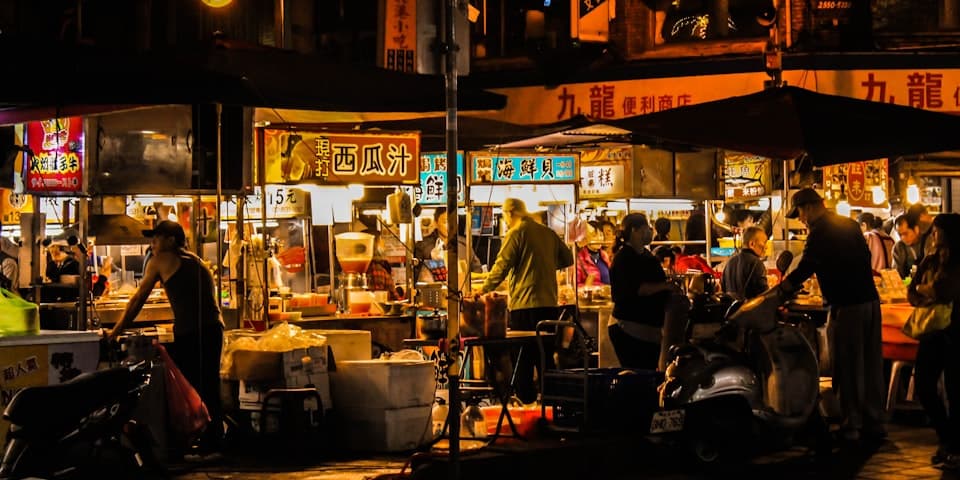
Night markets are where Taiwan actually socializes — evening street food festivals in every city, open 6–7 PM to midnight. A typical meal (3–4 different dishes) costs NT$150–300 ($5–10). Shilin and Raohe (Taipei), Liuhe (Kaohsiung), and Fengjia (Taichung) are the most famous. Cash is king at night markets.
Breakfast Shops (早餐店) — Uniquely Taiwanese
This is a cultural experience unique to Taiwan. Every neighborhood has standalone breakfast-only shops (5:30–10 AM typical).
Popular items:
- Egg and cheese crepes
- Rice burgers (fan tuan) with egg, meat, pickled vegetables
- Youtiao (fried dough sticks) dipped in soy milk
- Fresh-squeezed orange juice
- Steamed buns with various fillings
Ordering: Say 內用 (eat here) or 外帶 (take away); busy shops have separate lines. Self-seating at casual breakfast shops (unlike traditional restaurants).
Hidden gem: Breakfast cheapest meal of day (NT$40–80 full meal). Become a regular; staff remembers your order after 2–3 visits. This is local culture—join in.
Restaurants
Local eatery (typical meal): NT$150 (USD $4.50)
- Rice with protein and vegetables
- Small soup or side dish
- Tea included
- Fast service
Mid-range restaurant (2 people): NT$600–800 (USD $20–27)
Fine dining: Available but less common. Taiwan excels at cheap-delicious, not luxury-formal.
自助餐 (Buffet-Style Lunch Spots)
Hidden gem for language barriers: Choose dishes from heated trays; staff portions onto rice/noodles; pay by weight or flat rate. Visual confirmation of food before ordering = perfect for non-speakers.
Timing: Lunch rush 11:30 AM–1:30 PM; go early or late to avoid crowds. Lunch special pricing: NT$50–100 for full meal (30–40% cheaper than dinner).
Why locals use it: Most nutritious option; you can load up on vegetable sides while locals do the same. Great healthy eating on budget.
Convenience Stores: The Lifeline
7-Eleven and FamilyMart are ubiquitous. Open 24/7. You can buy:
- Hot meals (bento boxes NT$50–120)
- Coffee and drinks
- Groceries
- Pay bills, buy train tickets, even pick up packages
- WiFi (free)
- Sit down and work (people do this constantly—it's normal)
Hidden gem for 24-hour workspace: When cafes close at 10 PM, convenience stores are your fallback. WiFi works, seating available, coffee cheap. Many nomads do laptop work here late-night; locals expect this.
Member points: Sign up for 7-Eleven 7-Point Card or FamilyMart membership. Points accumulate with every purchase; redeem for free coffee, snacks, or discounts (every 5–10 purchases typically).
Grocery Shopping
Convenience stores: Expensive but convenient
Supermarkets:
- Carrefour
- PX Mart
- Costco (membership required; worth it)
Traditional markets: Cheapest, fresh produce, chaotic in the best way
Vegetarian/Vegan: Excellent options. Taiwan has a strong Buddhist culture, which means abundant 素食 (vegetarian/vegan restaurants). These are affordable, authentic, and found in every neighborhood. Many street food vendors also have vegetarian options.
Food Delivery
Uber Eats: Coverage in Taipei, Taichung, Kaohsiung Foodpanda: Similar coverage, competitive pricing
Costs: Standard delivery fee NT$50–100 (USD $1.70–3.30)
Eating Out vs. Cooking
Eating out: Cheaper than cooking at home (genuinely)
- Budget: NT$150–300/meal (USD $5–10)
- Monthly (eating mostly out): NT$4,500–9,000 (USD $150–300)
Cooking at home: Takes effort, less incentive
- Cost per meal: NT$30–50 (USD $1–1.70)
Most digital nomads eat out 80% of the time. It's just cheaper and better.
Dining Etiquette
- Tipping: NOT customary. Ever. No tip expected or accepted (except maybe upscale hotels)
- Slurping noodles: Normal and encouraged. Shows appreciation
- Chopsticks: Standard; forks available if requested
- Sharing: Common in groups; ordering multiple dishes to share is normal
- Payment: One person typically pays, or split bills among friends
Taxes & Legal
This is the part nobody wants to talk about. Let's talk about it.
Tax Residency: The 183-Day Rule
Critical: If you spend 183+ days in Taiwan in a calendar year, you become a tax resident liable for Taiwan income tax.
What this means:
- You owe Taiwan income tax on worldwide income—not just money earned in Taiwan, but all your remote work income (from any client or employer globally)
- This is mandatory and non-negotiable
- The Digital Nomad Visa does NOT exempt you from taxes (no visa type exempts you)
- It applies equally to everyone: tourist visa, digital nomad visa, gold card
Timeline example: If you arrive January 1 and stay until June 22, that's 183 days—you are a tax resident for that full year and owe Taiwan tax on worldwide income.
Action: If staying 6+ months, consult a Taiwan tax accountant BEFORE arrival. Discuss: double taxation treaties, business entity structure, foreign tax credits. Taiwan takes filing seriously.
Gold Card Tax Benefits
Special treatment: Gold Card holders get favorable tax treatment.
Tax incentive period: Five years from start of employment in Taiwan. Example: If you start working for a Taiwan company in 2026, the tax benefits apply through end of 2030.
Example benefits:
- 50% exemption on annual salary income exceeding NT$3M (e.g., if you earn NT$5M, only NT$2M is taxed)
- Overseas income (from foreign clients) is exempt from Alternative Minimum Tax (AMT) calculations
This changes everything: If you qualify for Gold Card, it's not just a visa—it's a tax-advantaged path to residency. Seriously consider applying.
DN Visa Work Rules
Can do: Work for overseas clients (remote work, freelancing). Cannot do: Work for Taiwan companies without additional work permit. Health insurance: Required (not included); arrange private coverage. NHI access: After 6 months only.
Community & Networking
Taiwan has an active, friendly digital nomad and expat community. You won't be alone.
Major Events
Taiwan Digital Fest 2026 (if scheduled): 8-day celebration of digital culture and networking.
Communities: localnomad.club · r/Taiwan, r/digitalnomad · Meetup.com (Taiwan Digital Rogue) · Facebook groups (Expats in Taiwan) · Coworking spaces (Impact Hub, FutureWard)
Culture & Daily Life
Taiwan is deeply friendly. Here's what makes it special.
Extreme Politeness
Taiwanese culture prioritizes harmony—constant apologies, indirect communication, respect for age/hierarchy. Makes Taiwan feel safe and welcoming.
Night Markets, Tea & Temples: Markets are core social hubs. Tea is serious business. Temples are free, air-conditioned, central to culture. No shoes required (outer areas), photography generally fine.
Safety: Genuinely One of Earth's Safest Places
This isn't marketing. It's real.
Facts:
- Walking alone at night is safe. Women walking solo at 2 AM is normal.
- Lost wallet stories: Locals post about finding wallets and returning them to owners
- Theft is extremely rare (both petty theft and organized crime)
- Scams targeting foreigners: Minimal
- Violent crime: Rare
What this means: You don't need to be paranoid. Taiwan is genuinely safe.
Key Mandarin Phrases
你好 Hello · 謝謝 Thank you · 對不起 Sorry · 多少錢? How much? · 廁所在哪裡? Bathroom? · 我不會說中文 I don't speak Chinese · 請說慢一點 Speak slowly
Tools: Google Translate, Pleco, LINE voice translation.
Typhoon Preparedness
Season: July–October. Reality: Manageable, not apocalyptic. Schools/businesses close automatically during strong typhoons. Action: Get insurance, stock supplies 24h before, monitor weather (weeks of warning). Typhoons often milder than forecasts.
Weather & Best Times
Temperature Profile
☀️ Summer (May–September) — 28–35°C (82–95°F) · Humidity 70–80% Hot, humid, typhoon risk
🍂 Autumn (October–November) — 18–25°C (64–77°F) · Humidity 60–70% Perfect. Clear, cool, dry
❄️ Winter (December–February) — 12–20°C (54–68°F) · Humidity 60–70% Cool but pleasant; AC not needed
🌸 Spring (March–April) — 20–28°C (68–82°F) · Humidity 65–75% Warming up; some rain
Best Times to Visit
Absolute best: October–November
- Mild temperatures
- Dry, clear skies
- Comfortable for outdoor activities
- No typhoon risk
- No AC needed
Good: December–February
- Cooler than summer
- Still pleasant
- Lower humidity
- Some rain possible
- Winter clothes not really needed
Hidden gem (budget timing): Ghost Month (7th lunar month = August/September solar)
- Superstitious locals avoid travel ("unlucky" period)
- Hotels/flights cheaper than October
- Fewer tourists; authentic local experience
- Lasts ~30 days; check lunar calendar for exact dates
- This is the window before typhoon peak
Acceptable: March–April
- Warming up
- Some rain
- Humidity starting to rise
Avoid: July–September (peak)
- Typhoon risk
- Extremely hot and humid (28–35°C / 82–95°F)
- Uncomfortable for outdoor work
Regional Variations
- Northern (Taipei, Keelung): Cooler, more rain
- Central (Taichung): Moderate; best year-round weather
- Southern (Kaohsiung, Tainan): Hotter, sunnier, less rain
- Eastern (Hualien, Taitung): Mountain areas cooler; scenic
Gold Card vs Digital Nomad Visa
If you're a professional in tech, finance, management, education, or the arts, the Gold Card is worth serious consideration. It offers work authorization for Taiwan employers, day-one NHI access, significant tax benefits, and a path to permanent residency — none of which the DN Visa provides.
🏅 Deep dive: Taiwan Gold Card vs Digital Nomad Visa — Which One Should You Get? →
Unique Taiwan Experiences & Hidden Gems
Garbage Truck Culture
Uniquely charming Taiwanese ritual. Trucks play Beethoven as alert. Take trash to truck when music plays (5x weekly in Taipei). Waste sorting: general (blue bags), recycling, food waste. App: "台北倒垃圾" for schedules. Community ritual—good opportunity to meet neighbors.
Hot Springs (溫泉) Culture
Taiwan top 15 globally; highest density of hot springs. Beitou (Taipei, MRT-accessible), Jiaoxi (Yilan), Guanziling (Tainan mud springs). Public areas cheap (NT$100–300). Hidden gem: outdoor/wild hot springs free with hiking.
Hiking Culture (台灣百岳)
100 peaks over 3,000m; iconic challenge. Trails throughout Taiwan; many peaks accessible day-trips from cities (Elephant Mountain = 30 min from Taipei). Best: Oct–Nov. Active community, safe trails, clear markers.
Tea Culture
Oolong, high-mountain, bubble tea. Tea houses teach brewing (NT$200–500+ per session). Learning tea ceremony = cultural window into Taiwan's sophistication.
Regional Comparison
| Factor | Korea | Japan | Taiwan | China |
|---|---|---|---|---|
| Cost | $1,200–2,300 | $935–2,000 | $1,000–2,200 | $1,000–2,000 |
| Visa | F-1-D (2yr) | DN (6mo) | DN (2yr) | Gray area |
| Internet | 1 Gbps+ | 10 Gbps | 217 Mbps | GFW+VPN |
| Safety | Level 1 | 9.5/10 | Top tier | Very safe |
| English | 3.5/5 | 3–4.5/5 | 3.5/5 | 2/5 |
| Best For | Tech, growth | Culture, food | Ease, balance | Cost, scale |
Final Words: Why Nomads Love Taiwan
You'll arrive and wonder why the world doesn't talk about Taiwan more.
It's not just affordable. It's genuinely great:
- The food is incredible. You'll eat better here than anywhere.
- The infrastructure works. MRT never breaks. Internet never fails.
- The people are friendly. Taipei especially welcomes foreigners.
- The culture is deep. Temples, tea, night markets—real experiences.
- The healthcare is cheap and world-class. An accident won't bankrupt you.
- It's safe. Walk anywhere, anytime. Genuinely.
- The community is welcoming. You'll find your people fast.
And the visas keep improving. The Digital Nomad Visa is brand new (launched January 2025). Taiwan is actively courting remote workers. More benefits coming.
Arrival Checklist
Planning your move to Taiwan? We've created a complete step-by-step timeline covering visa prep, airport arrival, EasyCard setup, and your critical first-week admin tasks.
Legal Disclaimer
LocalNomad is NOT a licensed immigration agency (in Taiwanese law: 移民業務機構). This guide provides published information about Taiwan's visa requirements and digital nomad resources. It is NOT legal advice.
For legal questions, consult Taiwan's National Immigration Agency website (www.nia.gov.tw) or engage a licensed professional: 行政士 (licensed administrative specialist) or 律師 (licensed attorney).
Tax advice: Consult a Taiwan-licensed tax accountant. Medical advice: Consult licensed healthcare providers in Taiwan.
Resources & Links
Official Taiwan Sources:
- National Immigration Agency (NIA) — Handles immigration, visas, residence: https://www.nia.gov.tw/
- Bureau of Consular Affairs (BOCA) — Handles passport and visa services: https://www.boca.gov.tw/
- Taiwan Digital Nomad Visa (official landing): https://talent.nat.gov.tw/visa/digital-nomad?c=JP&lang=en
- Taiwan Tourism: https://www.taiwan.gov.tw/
LocalNomad Visa Guides:
Community:
- LocalNomad Community — Taiwan channel for coworking meetups, visa Q&A, and local tips: https://localnomad.club
- r/Taiwan (Reddit) — General Taiwan discussion and expat questions
- Forumosa — Long-running Taiwan expat forum for housing, legal, and cultural topics
Practical Apps:
- Google Maps — Download offline maps of neighborhoods before arrival (essential for navigation)
- Google Translate — Translate signs, menus, text messages
- LINE — Essential messaging app (94% of Taiwan uses it; required for business and social communication)
- Uber Eats / Foodpanda — Food delivery apps (both have excellent coverage)
- YouBike — Bike-sharing app (NT$10 for first 30 minutes, then incremental charges)