TL;DR
Both Alipay and WeChat Pay accept foreign Visa and Mastercard. Each takes about 10 minutes to set up. Alipay gives you higher limits ($50,000 USD/year) and better train booking; WeChat wins if you have Chinese contacts or need mini-programs. Do it before you fly. Sorting this out at a Shanghai coffee counter with a line behind you is not the vibe.
Tip
Linked card but payment still fails? Use the Alipay or WeChat Pay troubleshooting guide to separate card-linking, verification, merchant-payment, and fee or limit issues. A foreign-card merchant payment does not automatically mean person-to-person transfers or every wallet feature will work.
Why You Need Both
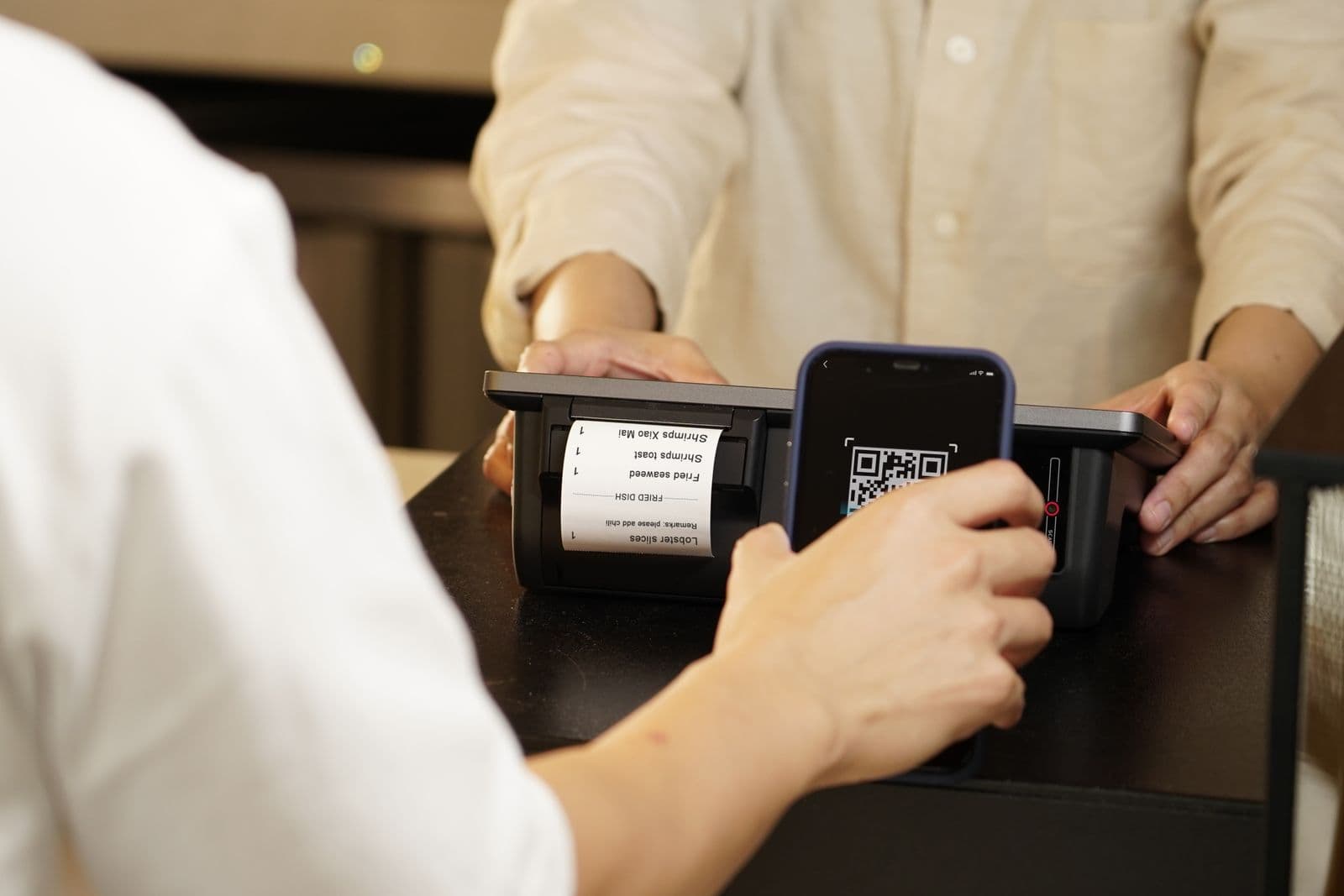
China runs on QR codes. Around 90% of daily transactions are cashless (coffee, metro, street food, your landlord), with Alipay and WeChat Pay handling the vast majority of that. Cash still exists the way fax machines still exist: technically functional, practically irrelevant in cities.
The two apps don't cover identical merchants. Alipay dominates transport booking and group deals. WeChat owns social payments and mini-programs. Carrying only one is like packing only a left shoe. You can hop around, but people will stare.
Set up both before departure. If one card binding fails, the other usually works. Redundancy isn't paranoia here. It's logistics.
Alipay: 3-Step Setup
Step 1: Download and register. Get the Alipay app from your home app store (search "Alipay," not "支付宝"). Register with your international phone number. SMS verification works on non-Chinese numbers.
Step 2: Passport verification. Tap Me → Settings → Real-Name Authentication. Upload a clear photo of your passport data page. Verification is usually instant, sometimes a few hours. Unverified accounts can't pay. Skip this step and you're carrying a very pretty blue icon that does nothing.
Step 3: Link your card. Me → Wallet → Add Card. Enter your Visa, Mastercard, Amex, JCB, or Diners Club details plus billing address (English is fine). Alipay runs a ¥1 test charge, refunds it immediately, and you're live.
| Detail | Alipay Direct Binding |
|---|---|
| Cards accepted | Visa, Mastercard, Amex, JCB, Diners Club, Discover |
| Fee under ¥200 (~$28) | Free (Alipay absorbs it) |
| Fee ¥200 and above | 3% per transaction |
| Single transaction cap | $5,000 USD (~¥36,000) |
| Annual limit | $50,000 USD (~¥360,000) |
| Verification time | Usually instant |
WeChat Pay: 3-Step Setup
Step 1: Download and register. Search "WeChat" (not "Weixin" unless you want the Chinese-only version). Sign up with your international number or email. SMS verification, same as Alipay.
Step 2: Link your card. Me → Wallet → Add Card. Enter card details, upload your passport photo. WeChat sometimes asks for full name and date of birth on top of that. Verify with the ¥1 test charge.
Step 3: Enable the overseas toggle. (This is the step everyone misses.) Me → Payment → Payment Settings → International Transaction: flip it ON. Your bank may block this by default, so do it from home wifi where you can call your bank if needed. Trying to debug a declined payment in broken Mandarin at a noodle shop teaches patience, but not the fun kind.
| Detail | WeChat Pay Direct Binding |
|---|---|
| Cards accepted | Visa, Mastercard (Amex limited) |
| Fee under ¥200 | Free |
| Fee ¥200 and above | 3% per transaction |
| Single transaction cap | ¥6,000 (~$830) |
| Monthly limit | ¥50,000 (~$7,000) |
| Annual limit | ¥60,000 (~$8,300) |
Heads up
Neither app lets foreigners send money to individuals. PBoC anti-money-laundering regulations block person-to-person transfers for foreign-card users. You can receive red envelopes from Chinese friends, but you can't send them. Plan splits accordingly, or just buy the next round.
If You Only Want One: Alipay vs WeChat Pay
Sometimes you only have one card that works, or you just want to minimize app juggling. Fair enough. Here's how to pick.
| Factor | Alipay | WeChat Pay |
|---|---|---|
| Foreign card support | Excellent (6 networks) | Good (mainly Visa/MC) |
| Annual limit | $50,000 USD (~¥360K) | ¥60,000 |
| Per-transaction cap | $5,000 USD (~¥36K) | ¥6,000 |
| Train booking (12306) | Native mini-program | Possible but clunkier |
| Group deals (团购) | Stronger selection | Available |
| Chinese social circle | Weak | Strong (it's where people live) |
| Mini-program ecosystem | Large | Largest |
| Merchant QR coverage | ~equal in cities | ~equal in cities |
Short answer: Alipay wins for most foreigners. Higher limits, broader card support, and better transport integration. If your annual spend stays under ¥60k and your social life in China revolves around WeChat groups, WeChat Pay is fine as your primary.
If forced to pick one and you have zero Chinese contacts: Alipay. If you already have 30 people in your WeChat and plan to stay under three months: WeChat Pay.
(But really: set up both. It takes 20 minutes total.)
TourCard Backup
If direct card binding fails (some smaller banks get flagged, some prepaid cards get rejected), Alipay's TourCard is your fallback. It's a prepaid virtual card inside Alipay, designed for visitors.
Setup: Open Alipay → Services → search "TourCard" → submit passport info → top up from your international card → pay with the TourCard balance.
Limits: ¥10,000 per 180-day period, valid 180 days.
The fee math matters. TourCard charges 5% upfront on every top-up. Direct binding charges 3% per transaction (on purchases over ¥200). So:
- Spend ¥10,000 via TourCard → you pay ¥500 in fees (5%)
- Spend ¥10,000 via direct binding → you pay ~¥300 in fees (3% on most transactions)
Direct binding is cheaper for most people. TourCard only makes sense when your card gets rejected by direct binding, or you want a hard spending cap for budgeting. For trips under six months where your card won't link directly, TourCard is your rescue rope.
Common Pitfalls and Fixes
Problem: "Card Not Supported" during setup. Your bank is blocking overseas digital wallet transactions. Call them (use Skype or Google Voice behind a VPN if you're already in China) and ask to "enable overseas online card-not-present transactions." Takes 2–5 minutes. Retry after 10 minutes. If that still fails, try a different card. Some issuers are simply not in Alipay's network.
Problem: Payment keeps declining at checkout. Your phone region might be set to China, which triggers extra security checks. Go to Me → Settings → Region in either app and switch it back to your home country. Restart the app. This fixes it about 70% of the time.
Problem: You've hit your annual limit. All your linked cards share one pool (tracked by passport number, not card number — a PBoC-mandated identity verification rule — so adding more cards won't help). Options: switch to cash via ATM (daily limit usually ¥5,000–10,000 per withdrawal), use a Wise card for direct payments at merchants that accept tap-to-pay, or open a Chinese bank account if you're staying 3+ months on a work visa.
Tip
Before you fly, test your card. Link it at home, make a small online purchase through Alipay if possible, and confirm the charge appears on your statement. Discovering your card doesn't work while standing in a Shenzhen taxi queue is a genre of stress you don't need.
FAQ
-
Can I use Apple Pay or Google Pay instead? In limited places. Some international hotels, Starbucks, and airport shops accept contactless tap. But the vast majority of Chinese merchants only display QR codes for Alipay and WeChat Pay. Apple Pay covers maybe 5% of your daily transactions. It's a supplement, not a replacement.
-
Do I need a Chinese phone number? No. Both apps accept international numbers for registration. A Chinese SIM helps with some mini-programs later, but it's not required for basic payment setup. Check the China Arrival Checklist for SIM options.
-
What if both apps reject my card? TourCard (see above) is option one. Option two: bring a Wise or Revolut debit card, which tends to have better acceptance rates with Chinese payment platforms. Option three: withdraw cash from ATMs (UnionPay network) and pay the old-fashioned way. You won't starve.
Before You Board
Both apps. Ten minutes each. Do it on your couch, not at baggage claim.