TL;DR
WeChat is messaging, payments, food delivery, rides, train tickets, and government services, all in one app. Over 1 billion people run their entire lives through it. If you don't have it set up before landing, you're functionally offline. Download it at home, verify your account, link a card, and pin five mini programs by day two. The rest of China's app stack (Gaode Maps, Meituan, Xiaohongshu) fills the gaps WeChat doesn't cover.
WeChat Is Not an App. It's an OS.
Here's a number that breaks people's brains: WeChat replaces somewhere between 15 and 20 apps you'd use anywhere else. Messaging. Video calls. Payments. Food delivery. Train tickets. Bike rentals. Government paperwork. Social media feed. Work chat. File sharing. Bill splitting. And that's the short list.
1.38 billion monthly active users as of Q3 2025. Your landlord uses it. The fruit vendor uses it. The government office uses it.
Not having WeChat in China is like not having a phone number. Technically possible. Practically miserable.
Setup: do this before your flight:
- Download WeChat (search "WeChat" or "Weixin" in your app store)
- Register with your international phone number
- Complete identity verification (passport photo required)
- Link a Visa or Mastercard for WeChat Pay (foreign cards accepted under PBoC mobile payment regulations since 2023)
- Ask a friend already on WeChat to verify your account if prompted
Heads up
Do this at home, not at Pudong arrivals. Registration sometimes requires verification from an existing WeChat user, harder to arrange behind the Great Firewall without a VPN already running. Details on payment setup: Alipay & WeChat Pay Setup for Foreigners.
Mini Programs: The Hidden Power
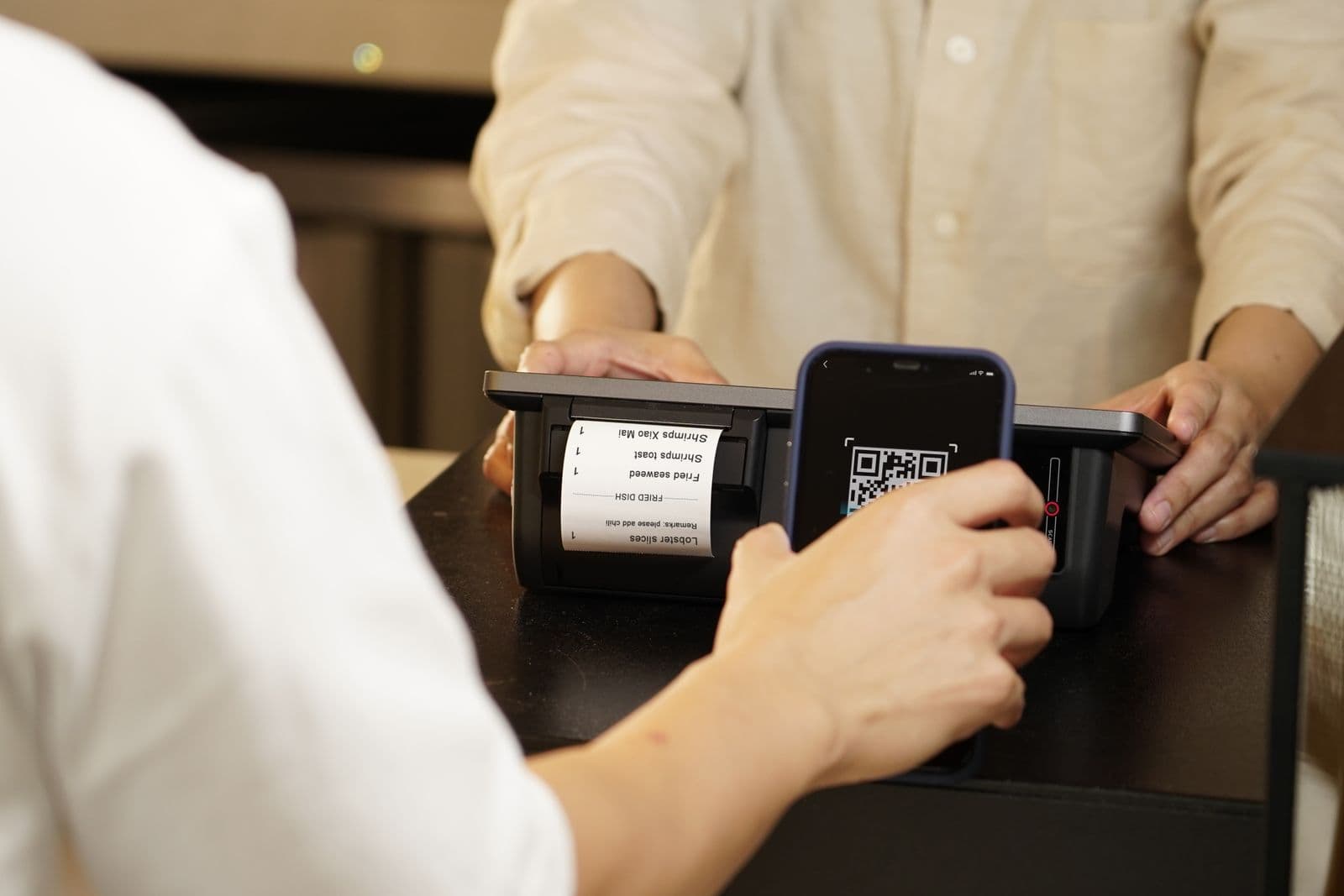
Mini programs (小程序, xiǎo chéngxù) are lightweight apps that live inside WeChat. No download. No app store. No storage eaten. You scan a QR code and the thing just opens.
This is how you'll handle most of daily life in China.
How it works: Scan QR → mini program opens → tap ... → Translate to English → order or book → pay with linked card.
| Category | Mini Program | What It Does |
|---|---|---|
| Food delivery | Meituan (美团) | ~70% market share. 34-min average delivery. Your kitchen replacement. |
| Food delivery | Ele.me (饿了么) | Alibaba-owned. ~30% share. Often runs aggressive discount coupons. (Rebranded to Taobao Shangou, Nov 2025.) |
| Rides | DiDi (滴滴出行) | China's Uber. ~70% ride-hailing market. English interface available. |
| Bike sharing | Meituan Bike / Hello Bike | Scan QR to unlock. 1–2 RMB per ride. Parked everywhere. |
| Train tickets | 12306 | Official railway booking. No markup (Trip.com charges 5–10% extra). |
| Flights & hotels | Trip.com / Ctrip / Fliggy | English interfaces. HSR, flights, hotels in one place. |
| Restaurant reviews | Dianping (大众点评) | China's Yelp. Photos > star ratings. Trust the pictures. |
| City services | Various by city | Residence registration, utility bills, permits. |
Tip
Pin your top five mini programs by the end of week one. Long-press any mini program → "Add to My Mini Programs." Food, rides, trains, maps, reviews: that's your starter five. Everything else is gravy.
The Full App Toolkit Beyond WeChat
WeChat handles 80% of life. These cover the other 20%.
Maps: Google Maps doesn't work without a VPN
- Gaode Maps (高德地图): The best option. Accurate metro routes, walking nav, real-time traffic. Chinese interface, but icons are intuitive enough. (Locals call it Amap.)
- Baidu Maps (百度地图): Solid backup. Slightly clunkier interface but reliable.
- Apple Maps: Surprisingly decent in China. Uses Gaode data under the hood. Works without VPN.
(Google Maps with offline downloads is fine for rough reference. But for "which metro exit gets me closest to the restaurant," Gaode wins every time.)
Shopping
- Taobao (淘宝): The everything-store. Amazon meets eBay. Imported goods, local goods, bizarre goods. Delivery in 1–3 days.
- JD.com (京东): Faster shipping, more premium products. Better for electronics and appliances.
- Pinduoduo (拼多多): Discount king. Group-buying deals, flash sales. Quality varies.
Work communication
- DingTalk (钉钉): Alibaba's enterprise chat. Some companies and coworking spaces use it instead of WeChat for work.
- Feishu (飞书): ByteDance's workspace tool. Growing in tech companies. Think Notion + Slack + Zoom merged into one.
Social & Discovery
This is where foreigners miss out the most.
-
Xiaohongshu (小红书, "Little Red Book"): Part Instagram, part Yelp, part Pinterest. 300M+ monthly users sharing lifestyle content: restaurant finds, apartment tours, visa tips, neighborhood guides. Search in Chinese for your city name and you'll find hyper-local recommendations no English blog covers. The algorithm learns fast.
-
Douyin (抖音): TikTok's Chinese original. Short video, livestream shopping, local business discovery. Restaurants advertise deals directly through Douyin. Scan to claim discounts at the counter.
-
Bilibili (哔哩哔哩): YouTube meets Reddit. Longer-form video, documentaries, tutorials. The comment culture is dense and engaged. Good for learning Chinese through content you actually want to watch.
(Xiaohongshu alone has saved me more money on restaurant picks than any guidebook. The trick: screenshot Chinese reviews, run them through the translate function, and cross-reference with Dianping ratings.)
Translation & Staying Safe
Built-in translation tricks:
WeChat's long-press translate handles casual chat messages well enough. For menus and street signs, use WeChat's camera "Scan" feature: point, tap, read. For anything serious (contracts, medical forms), switch to Baidu Translate or Google Translate via VPN.
Scam awareness: the short version
- Verified mini programs: Look for the blue checkmark before entering payment info. Fake mini programs exist.
- Merchant QR codes: Official blue merchant QR codes are verified. Hand-printed or taped-over QR codes at small vendors? Pause. They could redirect to scam accounts.
- Random friend requests: Ignore them. Scammers use WeChat for phishing links. Only accept people you've met or been introduced to.
- Transaction receipts: WeChat Pay logs every payment in your wallet history. Check it weekly. Catch unauthorized charges early.
Heads up
If a QR code is a sticker pasted over another QR code, walk away. Legit merchants have their codes printed on official Tencent stands or integrated into their POS system.
FAQ
- Can I use WeChat without a Chinese phone number?
Yes. International numbers work for registration and WeChat Pay. You won't need a Chinese SIM unless you want to use certain government mini programs that require mainland number verification.
- Do I need both WeChat Pay and Alipay?
Both work almost everywhere. But WeChat Pay's annual limit for foreign cards is lower (¥60,000 vs Alipay's $50,000 USD / ~¥360,000). If you're staying more than a month, set up both. Full comparison: Alipay & WeChat Pay Setup Guide.
- What if my WeChat account gets locked?
It happens, usually from registering behind a VPN or triggering anti-fraud detection. You'll need an existing WeChat user to scan a QR code and verify you. Ask someone before it happens: your Airbnb host, a coworking buddy, anyone. WeChat's official help center has the unlock flow, but the real fix is having a human ready.
One device runs your money, your directions, your conversations, and your social circle in China. Lose it and you lose everything. Get WeChat running before you land, pin your mini programs by day two, and download Gaode Maps while you're at it.
The rest you'll figure out by scanning QR codes at street food stalls. That's how everyone learns here.